Upper Galilee Northern Israel Art
Ednah’s Fine Art and the Timeless Landscapes of Israel’s Upper Galilee
View Ednah’s Complete Upper Galilee Fine Art Collection
📌 At a Glance: The Upper Galilee
- Mountain Landscape: Israel’s northernmost highland region is characterized by rugged limestone mountains, deep valleys, forests, rivers, and dramatic seasonal scenery.
- Living Landscape: Home to kibbutzim, moshavim / moshavot and towns as well as nature reserves, vineyards, ancient villages, wildlife habitats, and some of Israel’s most celebrated hiking trails.
- Historic Crossroads: Thousands of years of Jewish, Canaanite, Roman, Byzantine, Crusader, Ottoman, and modern Israeli history remain embedded throughout the landscape.
- Artistic Inspiration: Constantly changing weather, mountain light, forests, rivers, and agricultural valleys have inspired generations of Israeli landscape artists.
The Upper Galilee is widely regarded as one of Israel’s most beautiful and ecologically diverse regions. Stretching across the country’s northern mountains, the area is renowned for its forests, rivers, waterfalls, fertile valleys, wildlife reserves, historic communities, and extraordinary natural beauty. Every season transforms the landscape, offering artists an endless variety of color, atmosphere, and light.
For landscape painter Ednah Schwartz, the Upper Galilee is much more than a destination—it is home. Living in Kibbutz Kfar Blum in the heart of the Upper Galilee allows her to experience the region’s changing landscapes every day. The shifting morning fog, reflections across the Hula Valley, rushing rivers, flowering hillsides, and distant mountain ranges become recurring themes throughout her artwork, creating paintings rooted in genuine observation and personal connection.
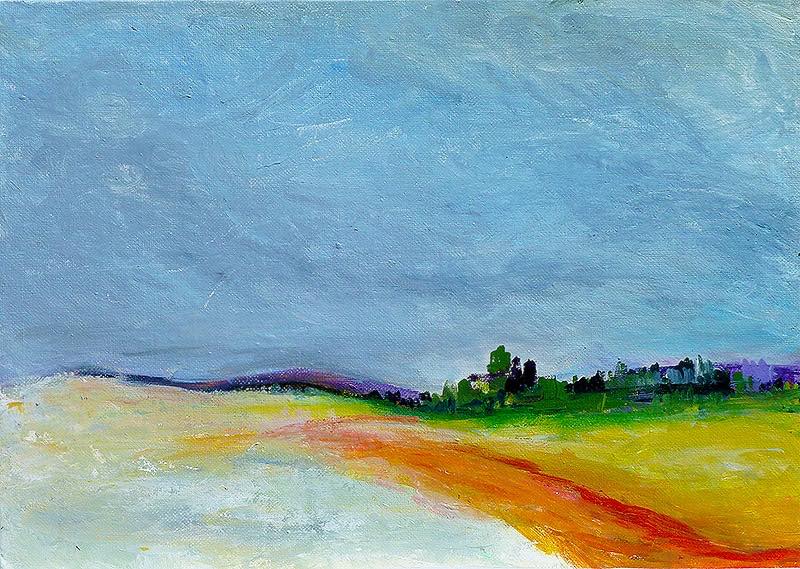
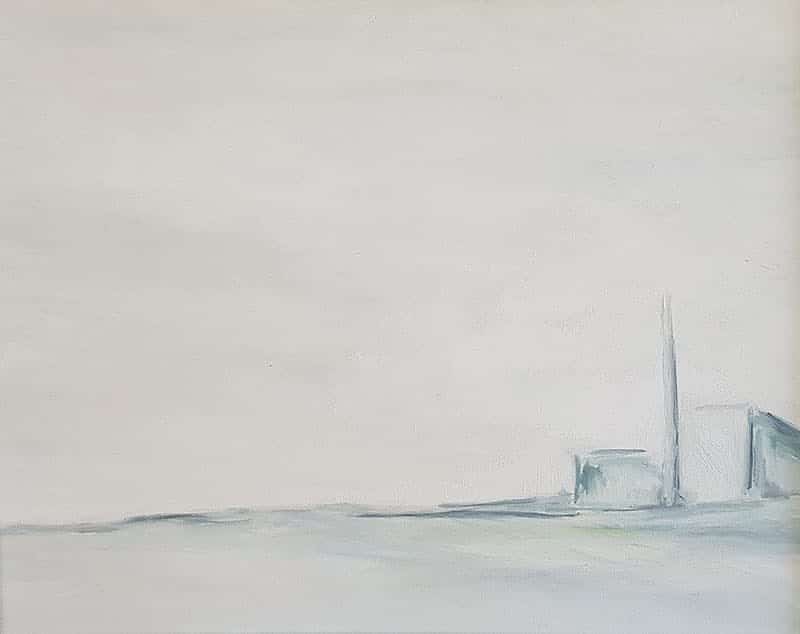
The Beautiful Hula Valley In The Upper Galilee — Painting by Ednah Schwartz
An Artist Living Within the Landscape
Many landscape artists travel in search of inspiration. Ednah Schwartz experiences the Upper Galilee differently. Living in Kibbutz Kfar Blum places her within one of Israel’s most remarkable natural environments, where the landscape itself becomes part of everyday life rather than an occasional subject.
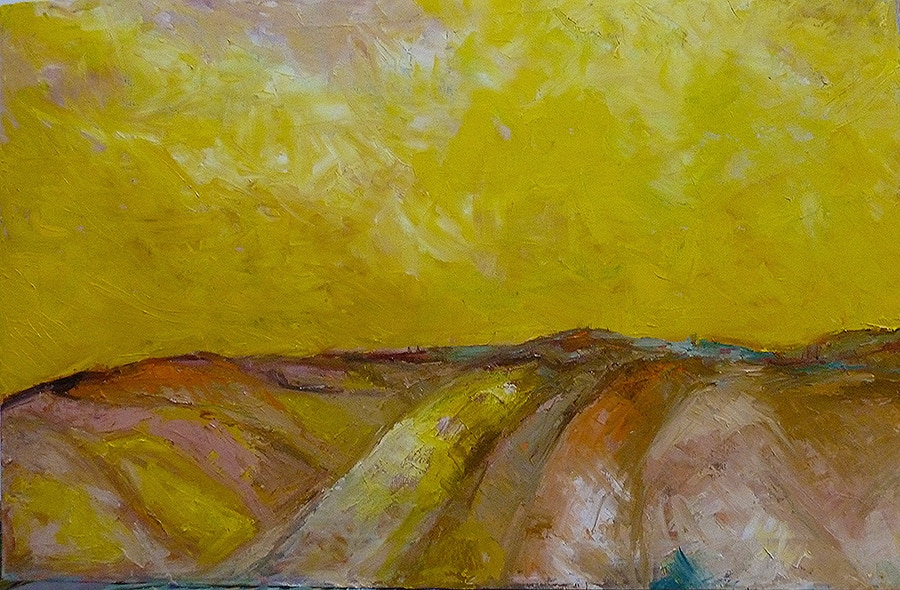
The Upper Galilee changes dramatically throughout the year. Winter storms blanket the mountains with mist, spring brings carpets of wildflowers and flowing rivers, summer introduces warm golden hillsides, and autumn fills the valleys with migrating birds and soft evening light. Experiencing these seasonal rhythms firsthand allows each painting to capture not only the appearance of the landscape but also its atmosphere and emotional character.
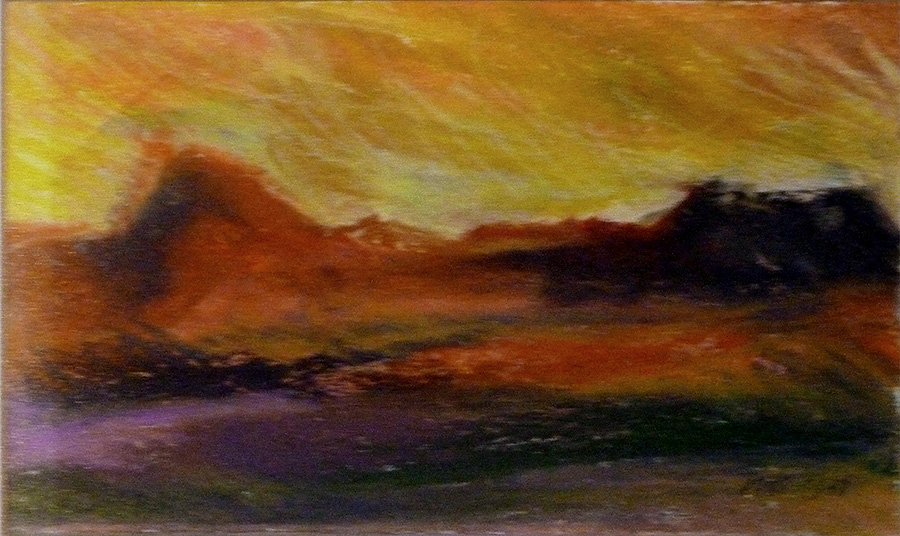
🎨 The Upper Galilee Through an Artist’s Eyes
Painting the Upper Galilee is about much more than recording mountains or rivers. It involves observing subtle shifts in weather, changing patterns of light across limestone cliffs, reflections on flowing water, and the relationship between cultivated farmland and protected wilderness. Living within this environment gives each artwork an authenticity that comes from familiarity rather than a brief visit.
Where Is the Upper Galilee?
The Upper Galilee occupies Israel’s northern mountainous region, extending from the Lebanese border southward toward the Hula Valley and east toward the upper Jordan River basin. Unlike the flatter landscapes of central Israel, this region is defined by rugged elevations, deep valleys, perennial rivers, Mediterranean forests, and some of the country’s highest peaks.
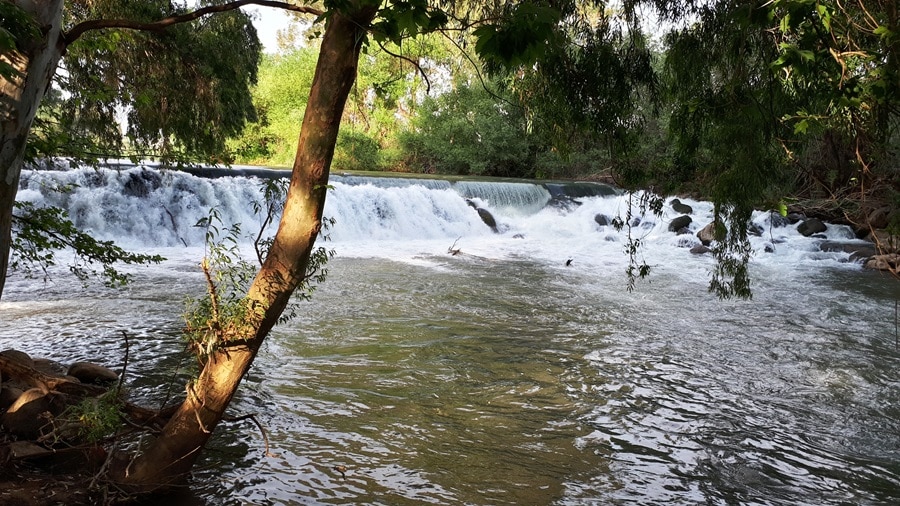
Within this relatively compact area lie many of Israel’s most celebrated natural landmarks, including Mount Meron, the Naftali Mountains, the Hula Valley, Banias Nature Reserve, Nahal Snir, Tel Hazor, and the artistic city of Safed (Tzfat). Together they create an extraordinary landscape where geology, ecology, history, and culture intersect.
🌄 A Landscape of Exceptional Diversity
Few regions in Israel contain such a remarkable variety of scenery within a relatively small area. Dense forests give way to open valleys, mountain ridges overlook wetlands, rivers carve through limestone gorges, and ancient archaeological sites stand beside modern agricultural communities. This extraordinary diversity has made the Upper Galilee one of Israel’s enduring sources of artistic inspiration.
The Natural Beauty and Ecological Tapestry of Israel’s Upper Galilee
The Upper Galilee is one of the most ecologically diverse landscapes in Israel. Its elevated terrain, abundant water sources, Mediterranean forests, fertile valleys, and changing climate have created an environment unlike any other in the country. Every season reveals a different character, making the region an enduring source of inspiration for landscape artists, photographers, hikers, and nature enthusiasts.
For painters, the Upper Galilee offers remarkable variety within relatively short distances. Snow-capped mountain views can give way to rushing rivers, dense oak forests transition into vineyards and orchards, while wetlands filled with migratory birds lie only minutes from rugged limestone cliffs.
🌿 Defining Features of the Upper Galilee Landscape
- Mountain Peaks: Rugged limestone mountains dominate the skyline throughout the region.
- Flowing Rivers: Springs and rivers originating around Mount Hermon nourish valleys and forests year-round.
- Mediterranean Forests: Oak, pine, terebinth, and carob woodlands cover much of the mountainous terrain.
- Rich Agricultural Valleys: Vineyards, orchards, olive groves, and cultivated fields create colorful geometric patterns across the landscape.
- Changing Seasons: The Upper Galilee experiences some of Israel’s most dramatic seasonal transformations.
Mountains That Shape the Upper Galilee
The mountains of the Upper Galilee define both its scenery and its identity. Rising above fertile valleys and river systems, these ridges influence rainfall, vegetation, wildlife habitats, agriculture, and even the quality of light that artists observe throughout the day.
Morning sunlight often filters through layers of mist before illuminating limestone cliffs and forested slopes, while evenings create dramatic shadows that stretch across the valleys below. These changing conditions give every painting a unique atmosphere.
⛰️ Prominent Mountain Regions
- Mount Meron: Israel’s second-highest peak and home to diverse Mediterranean forests.
- Naftali Mountains: Overlooking the Hula Valley with spectacular panoramic views.
- Mount Hermon Foothills: Feeding many of the rivers and springs flowing into the Upper Galilee.
- Western Galilee Highlands: Characterized by rolling hills, forests, and ancient villages.
Rivers, Springs, and Waterways
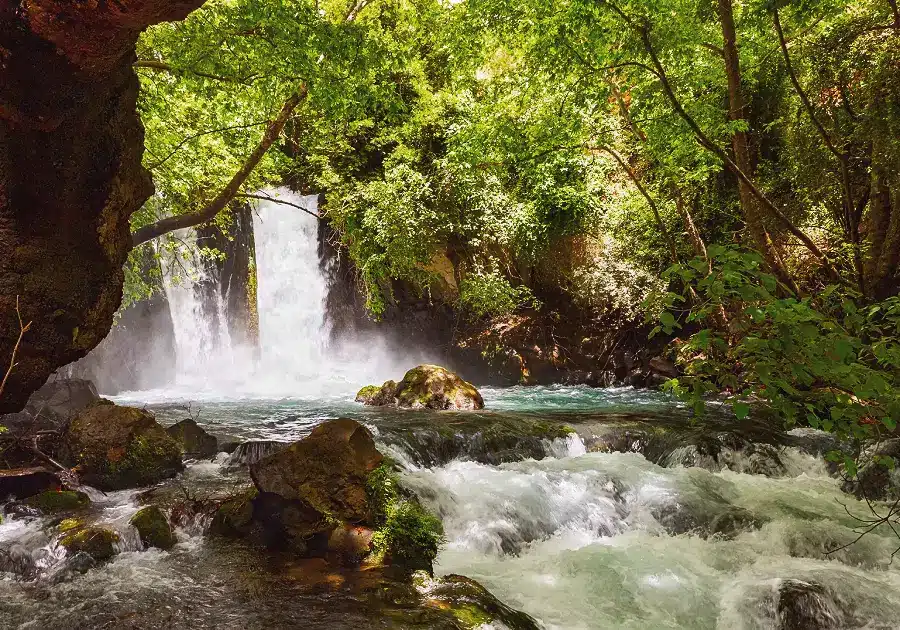
Water is one of the defining characteristics of the Upper Galilee. Unlike many regions of Israel, the north is blessed with abundant springs, perennial rivers, waterfalls, and wetlands that sustain diverse ecosystems throughout the year.
These waterways introduce movement, reflections, and changing light into the landscape—qualities that have long fascinated painters seeking to capture the constantly evolving character of nature.
- The Jordan River: Emerging from the foothills of Mount Hermon before flowing south through the Hula Valley.
- Nahal Snir (Hasbani): One of Israel’s most beautiful rivers, known for its lush vegetation and clear flowing water.
- Banias Stream: Famous for waterfalls, dramatic cliffs, and one of the principal headwaters of the Jordan River.
- Mountain Springs: Countless natural springs nourish forests, wildlife, and agricultural communities throughout the region.
🎨 Painting Moving Water
Capturing rivers requires balancing movement with tranquility. Thin layers of color, broken reflections, textured brushwork, and carefully observed highlights allow artists to recreate the constantly changing surfaces of flowing water while preserving the peaceful atmosphere that defines the Upper Galilee.
Mediterranean Forests and Wild Landscapes
The Upper Galilee contains some of Israel’s largest natural forests. Native oak woodlands, pine forests, pistachio trees, carob, and terebinths cover mountain slopes that burst into color during spring and shift toward warm golden tones during autumn.
These forests support remarkable biodiversity while creating dramatic visual contrasts between shaded woodland interiors and open mountain vistas.
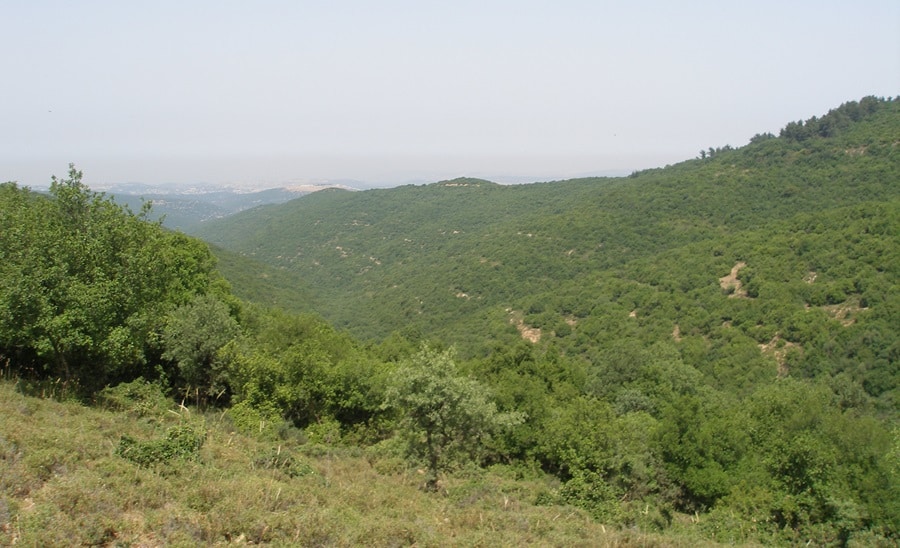
The forests of the Upper Galilee provide endless inspiration through changing light, seasonal colors, and remarkable biodiversity.
For landscape artists, forests introduce depth, texture, and subtle variations of light that continually change throughout the day. Sunlight filtering through tree canopies creates shifting patterns that challenge artists to capture both realism and atmosphere.
A Landscape Shaped by Agriculture
Human cultivation has long been part of the Upper Galilee’s visual identity. Vineyards, orchards, olive groves, avocado plantations, citrus trees, and cultivated fields create distinctive geometric patterns that contrast beautifully with surrounding forests and mountain ridges.
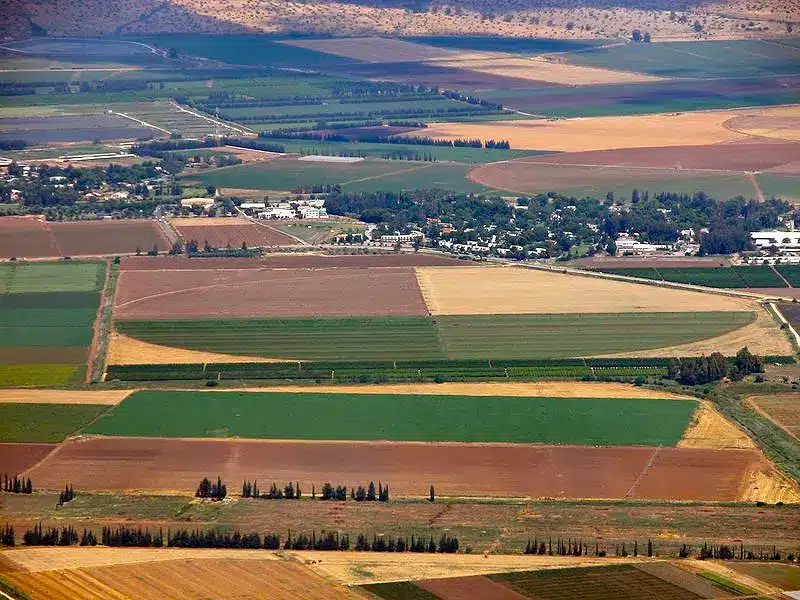
Communities including kibbutzim and moshavim have worked these fertile landscapes for generations, creating a harmonious relationship between agriculture and nature that continues to define much of the region today.
🌾 Living Landscapes
Unlike wilderness areas isolated from human activity, the Upper Galilee reflects centuries of coexistence between people and nature. Agricultural communities, protected forests, rivers, archaeological sites, and wildlife habitats exist side by side, creating one of Israel’s richest cultural landscapes and a continual source of artistic inspiration.
Thousands of Years of History Across the Upper Galilee
The beauty of the Upper Galilee extends far beyond its forests, rivers, and mountains. For thousands of years, this landscape has been home to ancient civilizations, biblical kingdoms, thriving agricultural communities, pilgrims, scholars, artists, and modern pioneers. Every valley and ridgeline carries traces of the people who lived, traveled, and cultivated the land long before the modern State of Israel.
This remarkable continuity gives the Upper Galilee a unique sense of depth. Landscape paintings inspired by the region are not simply depictions of nature—they also reflect one of the oldest continuously inhabited cultural landscapes in the world.
📜 Historical Timeline of the Upper Galilee
- Prehistoric Settlement: Early humans occupied caves and river valleys throughout the Galilee.
- Canaanite Civilization: Fortified cities developed around fertile valleys and strategic trade routes.
- Biblical Israel: The Upper Galilee became closely associated with the tribes of Naphtali and Asher.
- Roman & Byzantine Periods: Villages, roads, synagogues, and agricultural communities flourished.
- Ottoman Era: Farming communities and regional trade continued across the mountains and valleys.
- Modern Israel: Kibbutzim, conservation projects, and restored landscapes continue shaping the region today.
An Ancient Landscape Shaped by Nature
Long before cities and kingdoms emerged, the Upper Galilee’s mountains, rivers, and fertile valleys attracted prehistoric communities seeking reliable water and abundant wildlife. Archaeological discoveries throughout the region reveal evidence of human settlement dating back hundreds of thousands of years, making the Galilee one of the earliest inhabited regions of the Levant.
The same geological forces that created dramatic limestone ridges and perennial springs also established the environmental conditions that would support civilization for millennia.
The Canaanite Kingdoms
By the Bronze Age, the Upper Galilee had become home to prosperous Canaanite cities connected through regional trade networks linking Egypt, Mesopotamia, Anatolia, and the Mediterranean coast. Fertile valleys supported agriculture while mountain passes served as important commercial corridors.
Among the greatest of these cities was Tel Hazor, whose monumental architecture and extensive archaeological remains demonstrate the region’s significance thousands of years before the Classical world emerged.
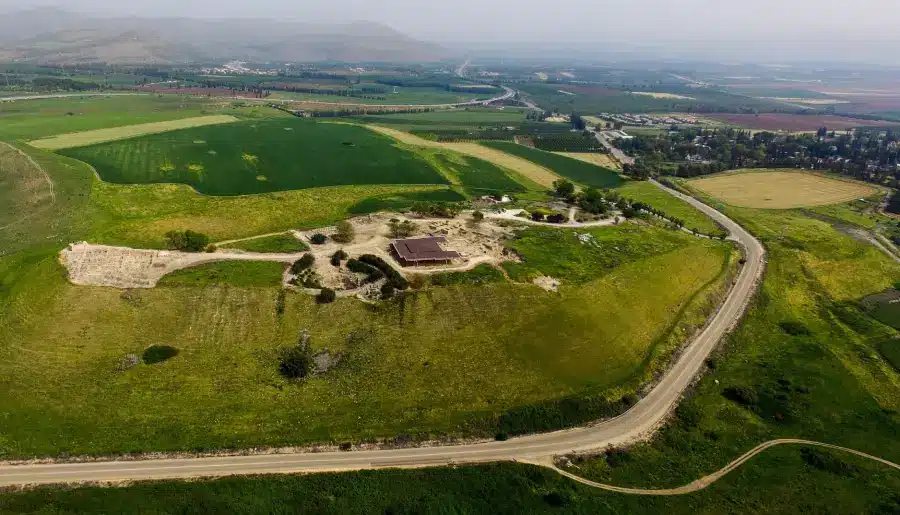
🏺 Tel Hazor — Gateway to the Ancient North
Today, Tel Hazor is recognized as a UNESCO World Heritage Site and one of the most important archaeological locations in Israel. Excavations have uncovered royal palaces, temples, fortifications, and sophisticated water systems that reveal the extraordinary importance of the Upper Galilee during the Bronze and Iron Ages.
The Upper Galilee in Biblical History
The Upper Galilee occupies an important place within the Hebrew Bible. Much of the region formed part of the territories traditionally associated with the tribes of Naphtali and Asher, whose fertile landscapes supported farming communities and strategic settlements.
Many of the hills, valleys, and ancient sites visible today have connections to biblical narratives, creating an enduring relationship between the landscape and Jewish history that continues to resonate with visitors and artists alike.
📜 Sacred Headwaters and Ancient Gates: The Biblical History of Tel Dan
Nestled at the base of Mount Hermon, where the rushing snowmelt fuels the largest source of the Jordan River, lies Tel Dan (תל דן). Mentioned throughout the Old Testament as the northernmost boundary of the ancient Land of Israel—giving rise to the biblical phrase “from Dan to Beersheba”—this majestic mound holds some of the most extraordinary archaeological discoveries in the world, preserving over four millennia of layered history.
Originally known as the Canaanite city of Laish, the site was conquered during the period of the Judges by the Israelite Tribe of Dan, who renamed the city after their forefather. Centuries later, following the fracturing of the United Monarchy after King Solomon’s death, King Jeroboam I established Tel Dan as the grand religious capital of the Northern Kingdom of Israel. To prevent his subjects from traveling south to the Temple in Jerusalem, Jeroboam erected a monumental high place here, installing a golden calf sanctuary. Today, the massive stone remains of this ancient ritual precinct, along with a recreated iron frame of the biblical altar, can still be explored by visitors.
Among its world-renowned archaeological treasures is the magnificent Canaanite Gate, constructed entirely of sun-dried mudbricks. Dating back to roughly 1800 BCE, this beautifully preserved three-arched gateway stands as the oldest intact structure of its kind ever discovered—standing as a silent witness to the era when the patriarch Abraham walked this land. Nearby, the later Iron Age Israelite gate complex reveals the precise civic layout described in biblical texts, complete with a stone canopy foundation where the city’s elders and kings sat in judgment.
It was within this Israelite gate complex in 1993 that fragments of the famous Tel Dan Stele were unearthed. Written in Aramaic and dating to the 9th century BCE, this triumphal stone inscription detailed a military victory by a neighboring King of Damascus. Crucially, the artifact contains the words “Beit David”—marking the first time the historical “House of David” was ever discovered in an ancient inscription outside the pages of the Bible. Today, the ancient tells, shaded paths, and roaring headwaters of Tel Dan serve as an enduring testament to the intersection of nature, sacred history, and the timeless landscape of the Upper Galilee.
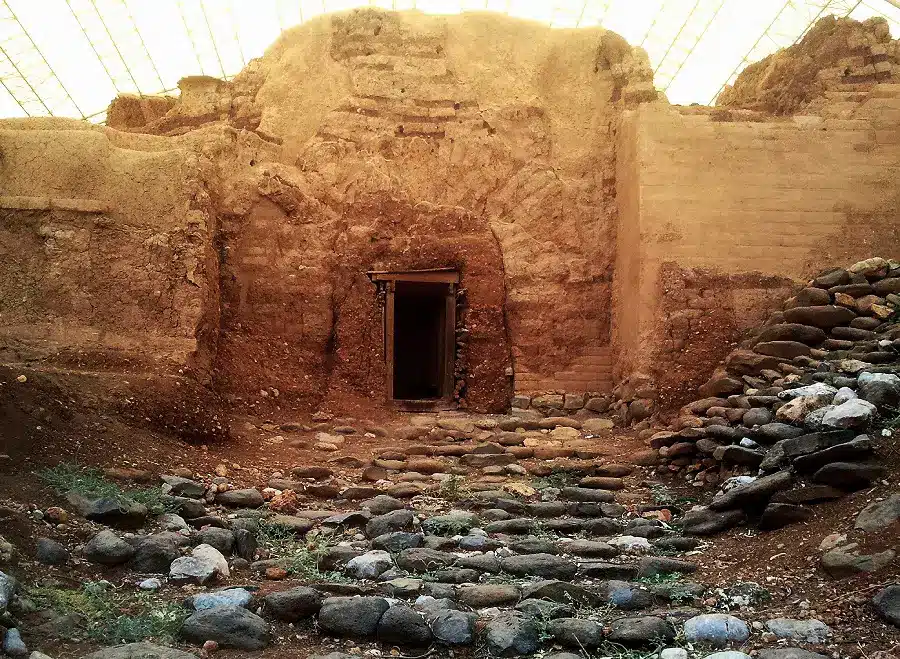
Roman and Byzantine Prosperity
Under Roman and later Byzantine administration, the Upper Galilee experienced significant agricultural and architectural development. Roads connected communities across the mountains while olive cultivation, vineyards, grain production, and trade flourished throughout the region.
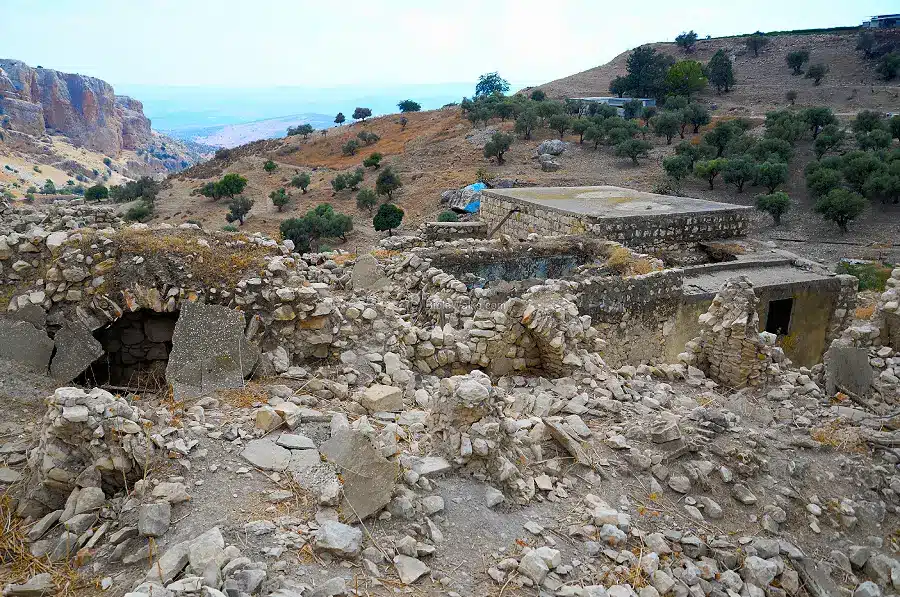
Many beautifully preserved synagogues, churches, and villages from this period remain scattered throughout the Galilee, providing tangible reminders of the region’s rich multicultural heritage.
📜 Tel Na’ama (Givat Schwartz): The Ancient Roots of Modern Settlement
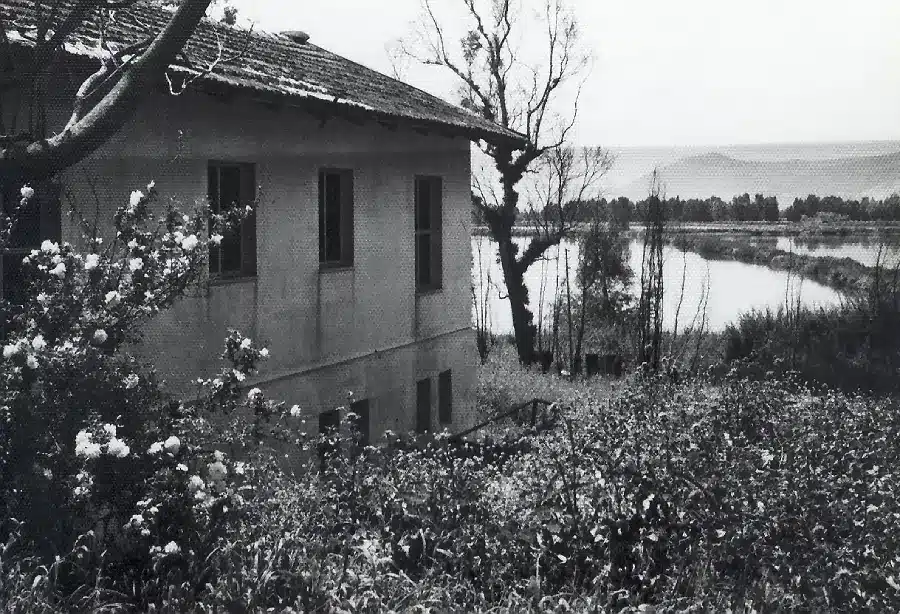
Long before the modern houses of Kibbutz Kfar Blum were constructed, the human story of this specific corner of the Hula Valley was centered on Tel Na’ama (Tell el-Na’ameh). This prominent archaeological mound, rising subtly above the surrounding agricultural fields just northwest of the current kibbutz, holds the layered remains of an ancient Canaanite and Israelite town dating back through the Bronze and Iron Ages. Archaeological surveys have revealed that for thousands of years, its elevated topography served as a vital sanctuary and trading post, keeping its inhabitants safe above the seasonal marshy floodwaters of the valley floor.
In a beautiful twist of historical continuity, Tel Na’ama played a critical role in the modern resurrection of the area. When the pioneering founders of Kfar Blum—primarily Jewish immigrants from the United Kingdom, Baltic states, and America—arrived in the malaria-ridden valley in November 1943, they did not immediately build where the kibbutz stands today. Instead, they pitched their temporary tents and constructed their first primitive structures directly on and around the dry, elevated ground of Tel Na’ama. Living under harsh pioneering conditions, this ancient tell became their first home and defensive stronghold while they worked tirelessly to drain the surrounding swamps, clear the fields, and prepare the permanent site nearby where the kibbutz thrives today.
Following the early kibbutz encampment, the mound took on a deeply personal chapter in our family history, earning its beloved local name: Givat Schwartz (Schwartz’s Hill). In the 1940s, the Schwartz brothers—enterprising pioneers who had fled Vienna—settled directly on the hill and established the very first commercial fish-farming operation in the Land of Israel. Working alongside visionary architect Arieh Sharon, they dug the region’s historic fishponds and built a thriving homestead on top of the ancient layers of history. Though the original farm was eventually left behind in the 1960s, the hill remains a landmark of modern Jewish ingenuity, connecting my family’s deep roots to the very soil, water, and heritage that I paint today.
Safed: The Spiritual and Artistic Heart of the Galilee
High above the surrounding valleys sits Safed (Tzfat), one of Judaism’s four holy cities and one of Israel’s most celebrated artistic communities. For centuries, mystics, scholars, rabbis, writers, and painters have been drawn to its elevated setting, cool mountain climate, and remarkable quality of light.
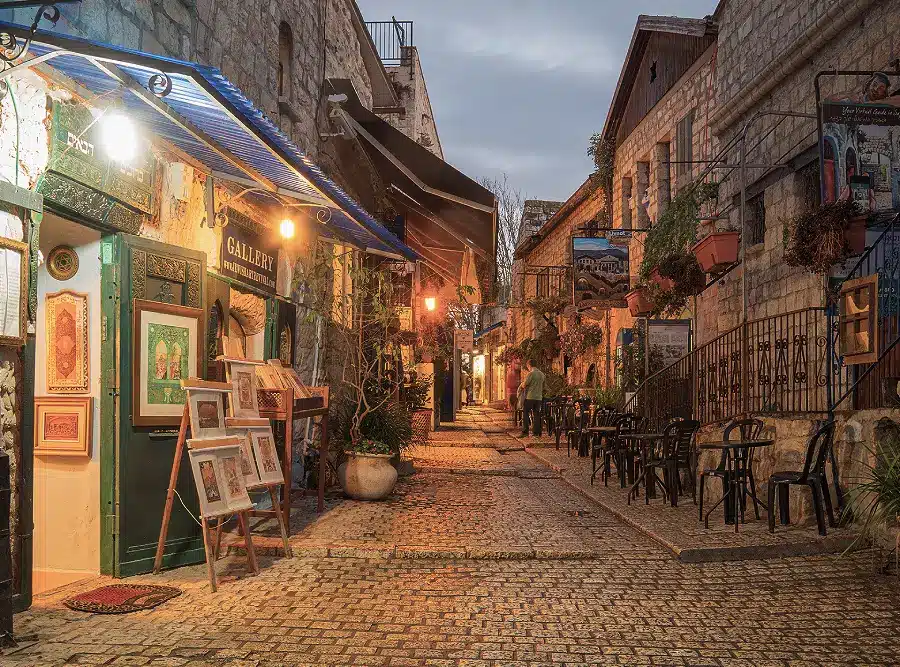
Today, Safed’s galleries and artists’ quarter continue this creative tradition, reinforcing the Upper Galilee’s reputation as one of Israel’s foremost centers for landscape and fine art.
The Modern Upper Galilee
During the twentieth century, new agricultural communities, including kibbutzim and moshavim, transformed much of the Upper Galilee while maintaining a close relationship with the surrounding landscape. Conservation projects restored wetlands, protected forests, expanded nature reserves, and preserved archaeological treasures for future generations.
Today, the Upper Galilee is internationally recognized for its natural beauty, outdoor recreation, ecological diversity, agriculture, and vibrant artistic community. It remains a place where ancient history and contemporary life exist side by side.
🎨 History Preserved Through Landscape Painting
Every landscape carries memories beyond what the eye can immediately see. In the Upper Galilee, forests, rivers, mountains, and valleys have witnessed countless generations of human history. Through her paintings, Ednah Schwartz captures not only the physical beauty of these landscapes but also their enduring sense of place—where nature, culture, and history continue to coexist.
Wildlife and Biodiversity of the Upper Galilee
The Upper Galilee is one of Israel’s richest ecological regions. Its forests, rivers, wetlands, mountain slopes, and fertile valleys support an extraordinary diversity of wildlife throughout the year. Many species found here are uncommon elsewhere in Israel, making the region an important center for conservation as well as artistic inspiration.
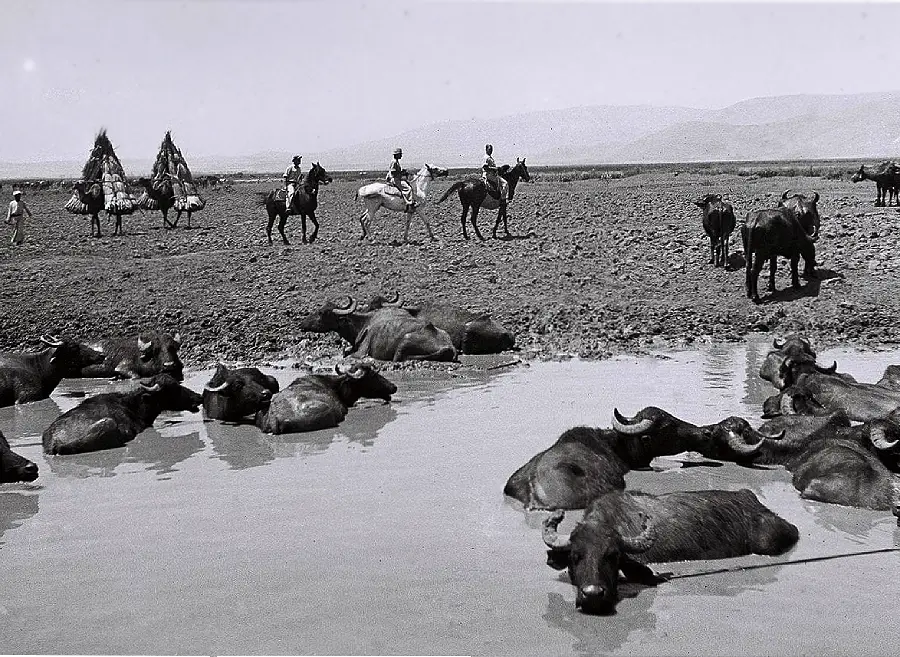
For artists, wildlife introduces movement, scale, and life into the landscape. Whether visible as a distant flock crossing the sky or quietly hidden among reeds and forests, the region’s animals contribute to the feeling that the Upper Galilee is a living, breathing environment.
🦅 Wildlife Highlights
- Migratory Cranes: Hundreds of thousands pass through the Hula Valley every autumn and spring.
- White Pelicans and Storks: Among the most spectacular seasonal visitors.
- Water Buffalo: Iconic residents of the restored wetlands around Agmon HaHula.
- European Otters: Rare wetland mammals living along protected waterways.
- Wild Boar, Jackals and Deer: Frequently inhabit forests and mountain valleys.
- Birds of Prey: Eagles, hawks, kestrels, and owls patrol the skies above the Galilee.

One of the World’s Great Bird Migration Routes
Every year the Upper Galilee becomes one of the world’s great wildlife spectacles as hundreds of millions of birds travel along the African–Eurasian Flyway. The Hula Valley provides an essential resting point where birds feed and regain strength before continuing between Europe, Asia, and Africa.
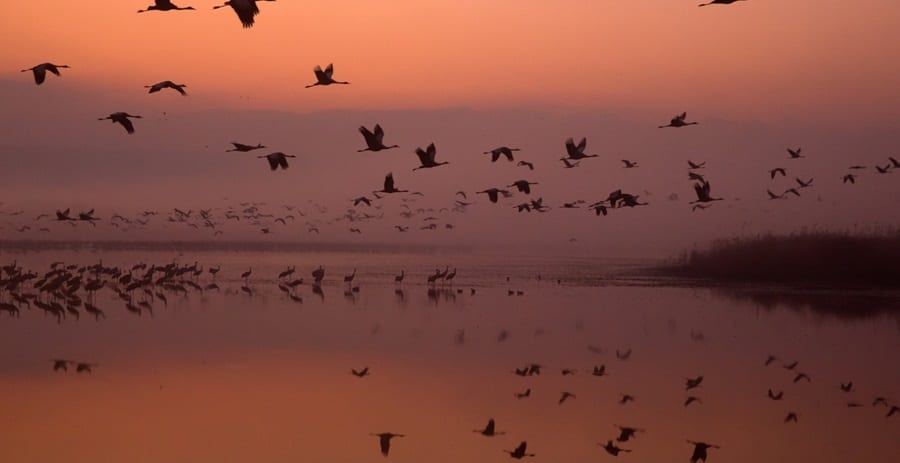
Autumn skies fill with graceful formations of cranes while spring brings pelicans, storks, raptors, songbirds, and countless other migratory species. These seasonal events transform the landscape into a constantly changing natural masterpiece.
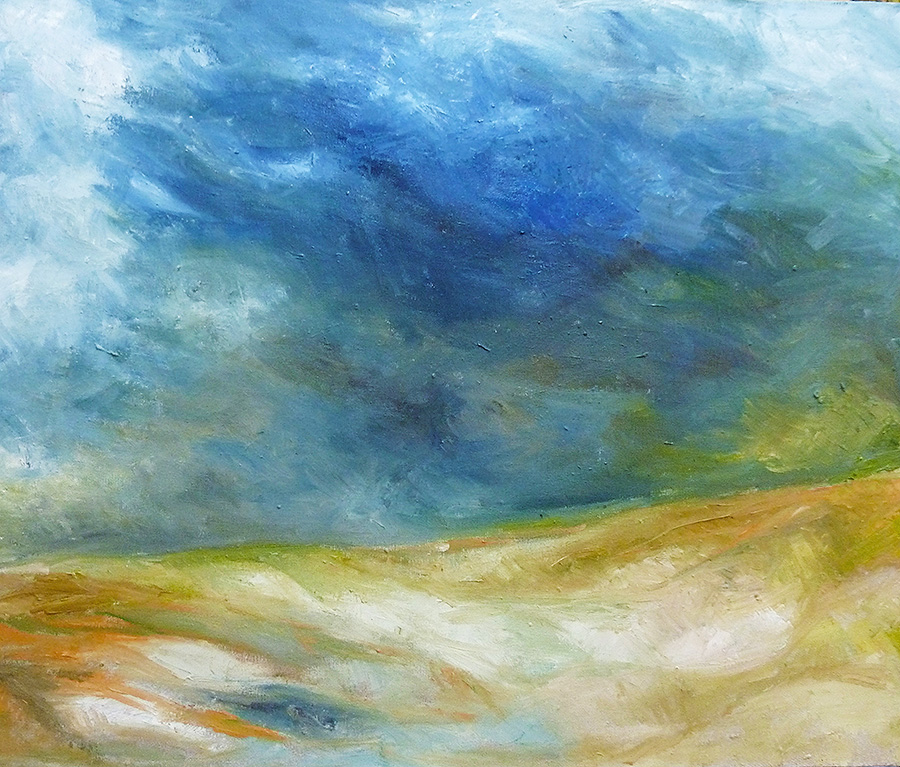
🎨 Capturing Movement in the Sky
Painting large flocks requires suggesting rhythm rather than detailing individual birds. Loose brushwork, layered tones, and carefully balanced compositions allow artists to communicate the remarkable scale and movement of migration while preserving the peaceful character of the landscape below.
The Four Seasons of the Upper Galilee
Unlike many areas of Israel, the Upper Galilee experiences pronounced seasonal changes that continually reshape its appearance. These transformations provide artists with an endless variety of colors, textures, and moods.
🌸 Spring
Wildflowers blanket the hillsides while rivers flow at their fullest following winter rains. Fresh green vegetation, flowering orchards, and crystal-clear mountain air create one of the most colorful seasons for landscape painting.
☀️ Summer
Warm sunlight fills the valleys as vineyards, orchards, and agricultural fields mature. Long daylight hours create dramatic shadows across mountain ridges and forests.
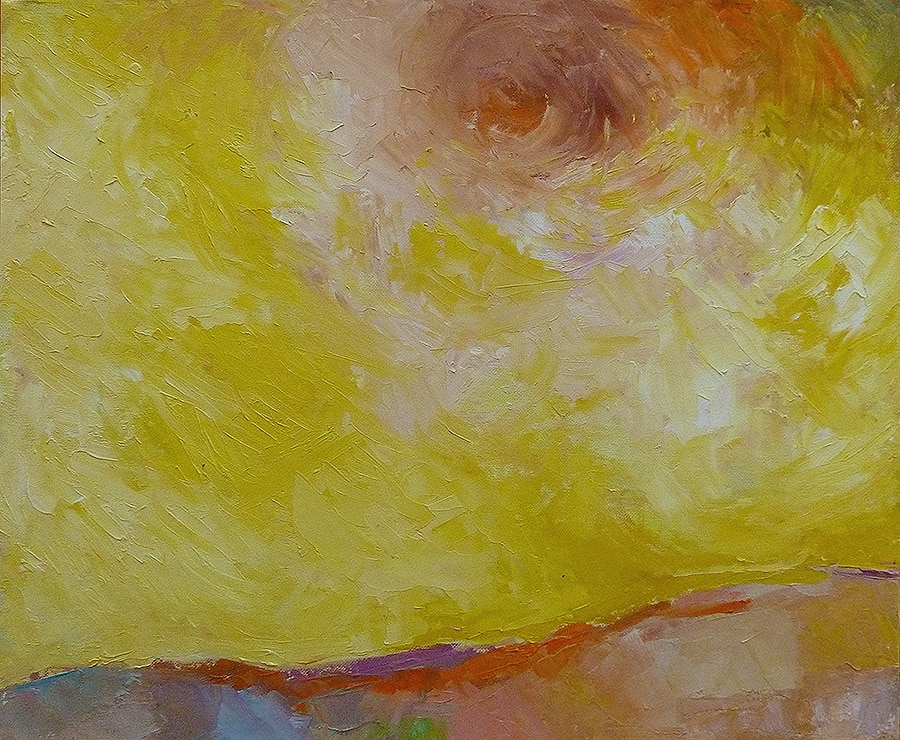
🍂 Autumn
Migration season transforms the Hula Valley while softer golden light creates rich contrasts throughout the forests and surrounding farmland. Morning mist often settles across the valleys before gradually lifting into brilliant blue skies.
❄️ Winter
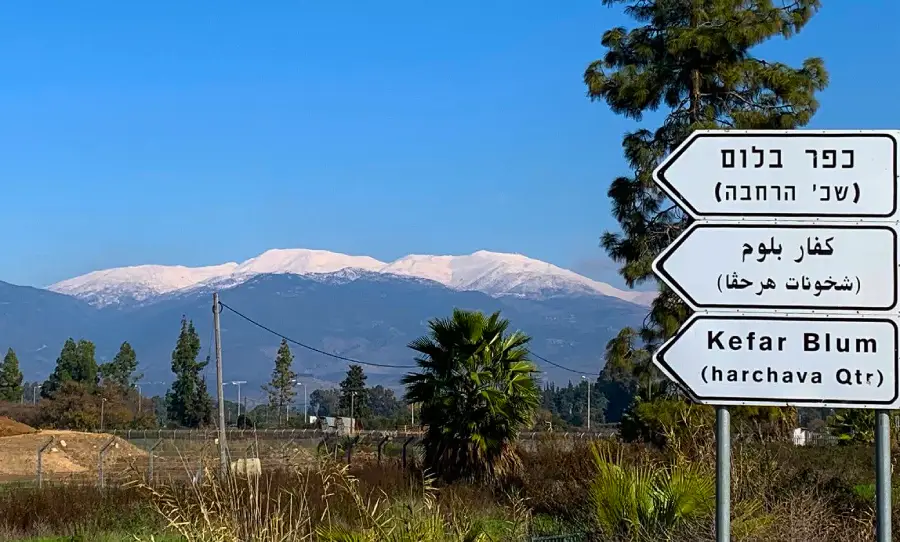
Winter storms sweep across the mountains, bringing rain, dramatic cloud formations, rushing rivers, and occasionally snow on nearby Mount Hermon. The resulting atmosphere creates some of the most expressive and emotional landscape scenes of the year.
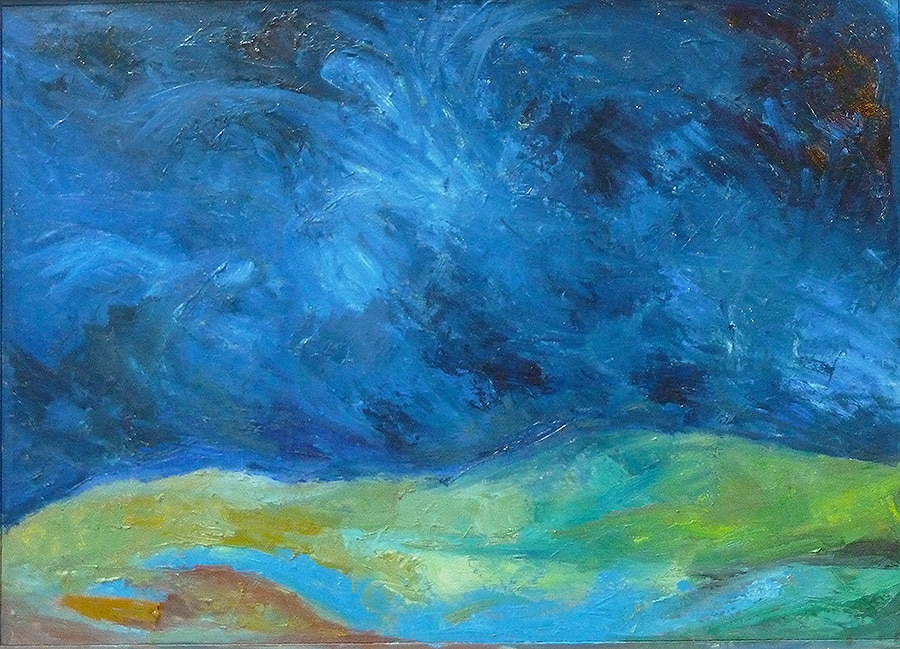
🌦️ Light Is Always Changing
One of the defining characteristics of the Upper Galilee is the constantly changing quality of light. Morning fog drifting across the Hula Valley, afternoon sunlight illuminating limestone mountains, dramatic winter clouds, and colorful evening skies all create unique visual experiences. For landscape painters, no two days are ever identical.
Painting the Upper Galilee
Creating a successful Upper Galilee landscape painting requires more than technical skill. Artists must balance the region’s varied terrain—mountains, forests, rivers, wetlands, and cultivated valleys—into a harmonious composition while preserving the atmosphere that makes each location unique.
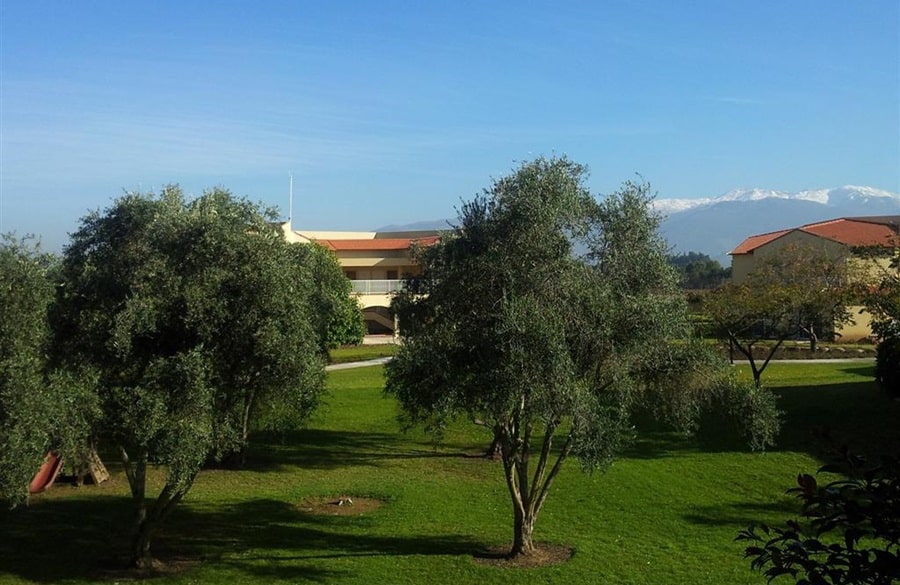
Living in Kibbutz Kfar Blum provides Ednah Schwartz with the opportunity to observe these subtle changes every day. Rather than relying on photographs alone, many of her compositions are informed by repeated firsthand experiences of the same landscapes throughout different seasons and weather conditions.
🖌️ Living Within the Landscape
Many artists paint places they visit. Ednah Schwartz paints the landscape that surrounds her home. Daily walks, changing weather, seasonal agriculture, river reflections, mountain vistas, and the rhythm of life in the Upper Galilee all become part of her artistic process. This intimate familiarity gives her paintings an authenticity that grows from years of observation rather than a single moment in time.
Preserving One of Israel’s Most Remarkable Landscapes
Much of the Upper Galilee is protected through national parks, nature reserves, forests, and conservation initiatives. These efforts safeguard wildlife habitats, archaeological treasures, native vegetation, rivers, and wetlands while allowing future generations to experience the extraordinary beauty that has inspired artists for centuries.
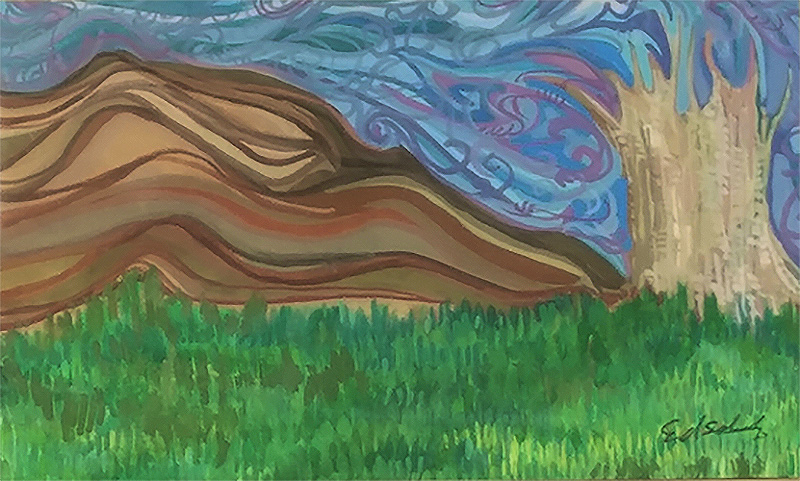
The continuing preservation of the Upper Galilee ensures that its forests, mountain vistas, rivers, and valleys remain living landscapes—places where nature, history, and art continue to intersect in remarkable ways.

🌄 A Landscape of Exceptional Diversity
Few regions in Israel contain such a remarkable variety of scenery within a relatively small area. Dense forests give way to open valleys, mountain ridges overlook wetlands, rivers carve through limestone gorges, and ancient archaeological sites stand beside modern agricultural communities. This extraordinary diversity has made the Upper Galilee one of Israel’s enduring sources of artistic inspiration.
The Galilee: Etymology, Boundaries, and Regional Divisions
To fully appreciate the landscapes captured on canvas, it helps to understand the physical and historical identity of the region itself. The term “Galilee” carries thousands of years of linguistic history and defines a vast, diverse territory in northern Israel that has served as a cultural and natural crossroads since antiquity.
📜 Etymology: What Does “Galilee” Mean?
The English name Galilee is derived via Greek and Latin from the ancient Hebrew word Galil (גָּלִיל). Rooted in the Hebrew verb galal, meaning “to roll,” “circle,” or “revolve,” the literal translation of Galil is “circuit,” “ring,” or “district.”
Historically, it was used to describe a distinct circuit or ring of towns in the northernmost tribal territories. In the Hebrew Bible, it is famously referred to as Gelil ha-Goyim (Isaiah 8:23)—”Galilee of the Nations”—reflecting its status as an international frontier heavily influenced by neighboring Mediterranean cultures. Over the centuries, this descriptive term evolved into the permanent proper name for Israel’s entire northern province.
The Boundaries of the Greater Galilee
The greater Galilee area marks a sweeping territory defined by distinct natural borders. It stretches from the flat expanses of the Mediterranean Coastal Plain in the west all the way to the deep trench of the Jordan Rift Valley and the Sea of Galilee in the east.
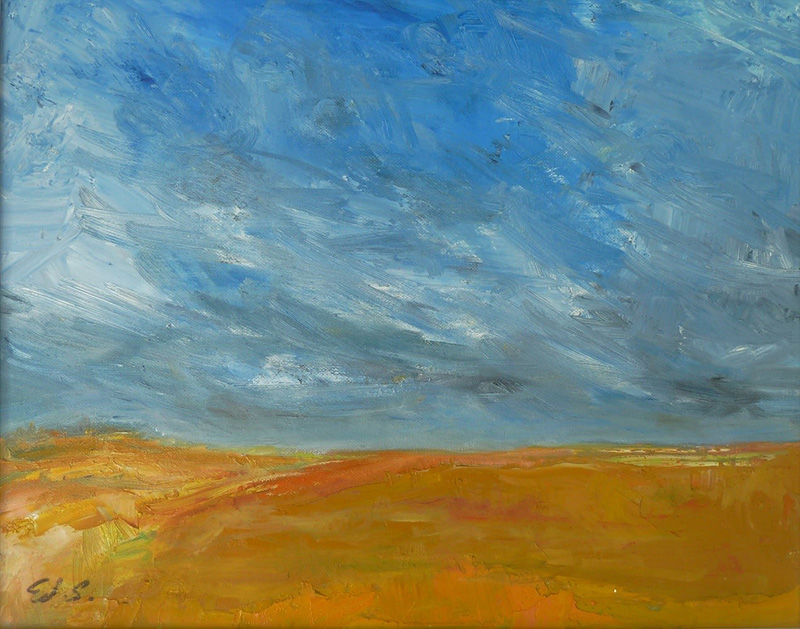
From south to north, the region ascends sharply from the broad, fertile farmlands of the Jezreel Valley and climbs dynamically across the highlands, continuing across the modern geopolitical border into the rugged mountain ridges of southern Lebanon.
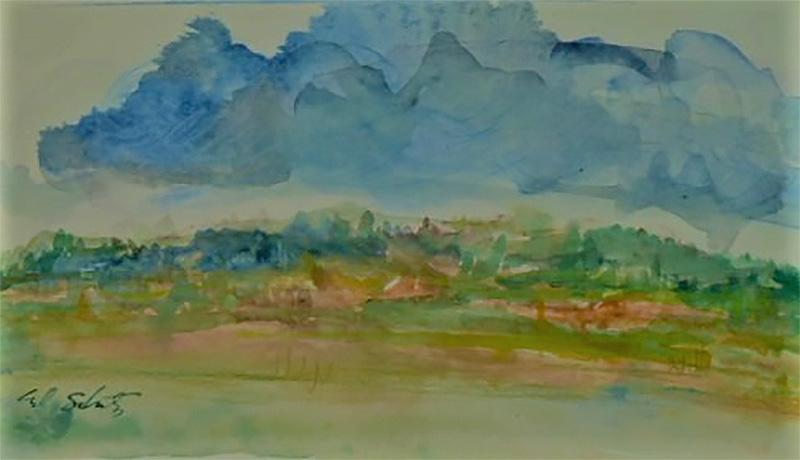
Where Does the “Upper” Galilee Fall?
Geographically and geologically, the greater Galilee is divided cleanly into two distinct sub-regions, separated by the deep east-west depression of the Beit HaKerem Valley:
- The Lower Galilee (South): Lying south of the Beit HaKerem Valley, this area features lower, gentler rolling hills, spacious internal valleys, and a warmer climate. It contains historic landmarks like Nazareth, Mount Tabor, and the shores of the Sea of Galilee.
- The Upper Galilee (North): Rising sharply north of the Beit HaKerem Valley, this is the high, rugged mountain country. It represents the literal peak of the region, characterized by steep limestone cliffs, dramatic gorges, and Israel’s highest elevations (including Mount Meron).
The Upper Galilee dominates the northern half of this geographic tapestry. Because of its intense elevation, it acts as a massive natural watershed, catching heavy winter rains and snowmelt from the Mount Hermon range.
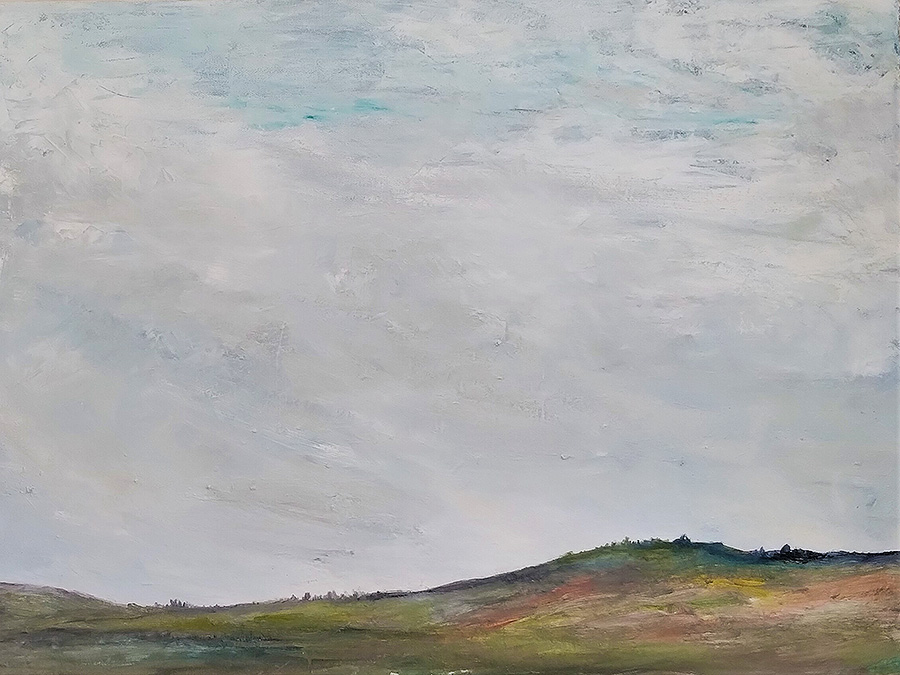
This water flows down into the Hula Valley basin and feeds the headwaters of the Jordan River, keeping the Upper Galilee lush, emerald-green, and dynamically forested compared to the rest of the country. It is this towering, water-rich northern highlands territory that provides the everyday inspiration for my landscape paintings.
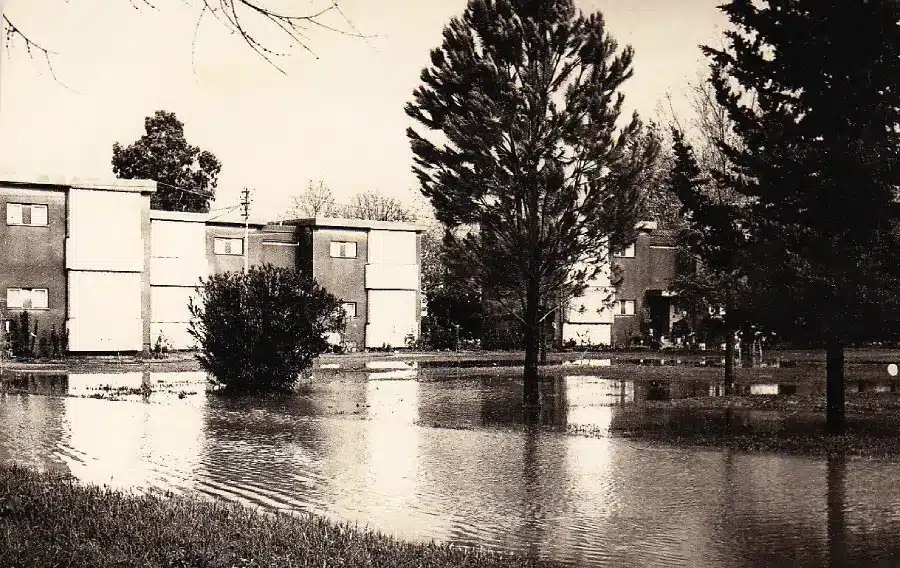
The Natural Beauty and Ecological Tapestry of Israel’s Upper Galilee
Living in the Upper Galilee: A Firsthand Perspective
For many, the Upper Galilee is an extraordinary vacation destination or a weekend retreat. For me, it is the backdrop of my daily life. Living and working in Kibbutz Kfar Blum, nestled right in the heart of this vibrant valley, grants me an intimate connection to the northern frontier that only a resident can truly develop. My studio is surrounded by the very elements that find their way onto my canvases—the rushing waters, the whispering forests, and the dramatic mountain ridges.
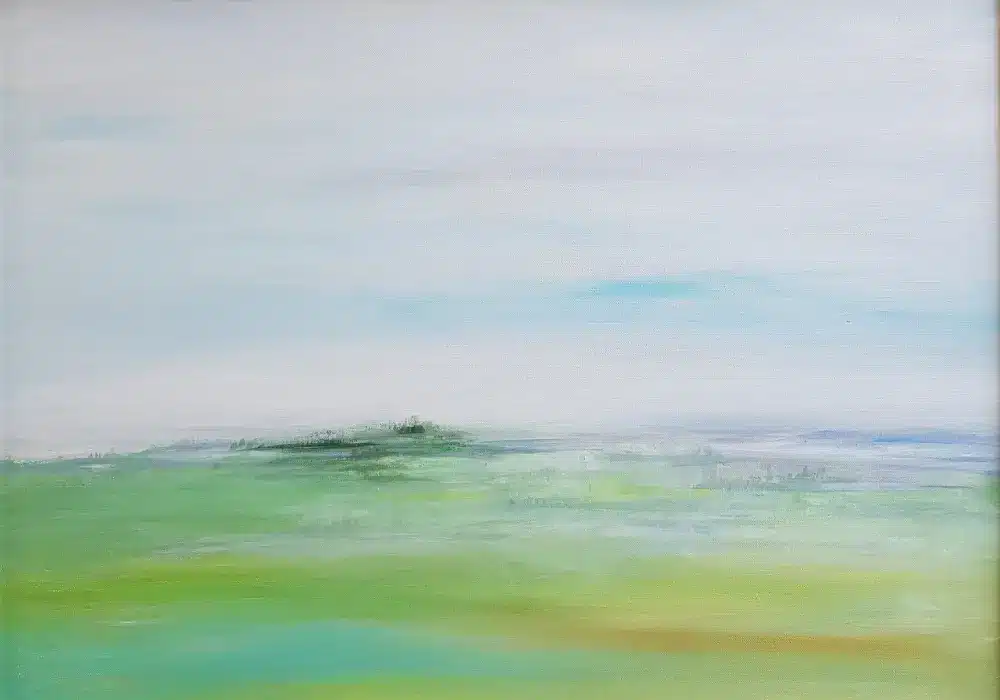
Every morning begins with the shifting morning fog lifting off the Hula Valley floor, slowly revealing the majestic contours of Mount Hermon in the distance. Walking along the local trails that wind past the Jordan River, I witness the daily and seasonal choreography of nature firsthand.
The sudden flash of wildlife hidden in the reeds, the rustle of birds settling in the wetlands, and the communal warmth of kibbutz life all instill a deep sense of place into my creative process. This daily immersion allows me to paint not just a physical landscape, but the living, breathing emotional character of the region.
🌿 Daily Inspiration and Changing Seasons
Living here means embracing the dramatic shifts of the four seasons. From the roaring winter rains that feed our rivers to the quiet, golden summer afternoons when the agricultural fields bake under the sun, the Upper Galilee is an endless masterclass in light and color. My artwork is a direct translation of these daily walks and quiet observations.
Part 8 – Bringing the Galilee Home: Decor and Fine Art Collecting
The expansive views and rich textures of the Upper Galilee possess a timeless quality that translates beautifully into interior spaces. Whether you are a dedicated collector of modern Israeli art, looking to bring a meaningful piece of the Holy Land into a traditional Jewish home, or seeking an evocative statement piece for a contemporary interior, these landscape paintings offer a window into Israel’s untamed northern beauty.
A large-scale depiction of the Hula Valley or the rolling Galilee highlands can completely transform the atmosphere of a room. In residential living rooms, these original artworks and fine art prints serve as peaceful, grounding focal points that invite conversation. In professional offices, corporate settings, or hospitality spaces, the cool blues of our flowing rivers and the deep greens of our Mediterranean forests bring a sense of expansive tranquility and sophisticated warmth to bare walls.
🖼️ Art Advisory & Spatial Placement
Each original oil canvas and print is crafted to command attention while harmonizing with your existing decor. Consider pairing the vibrant greens of a spring valley landscape with neutral, modern furniture, or utilizing the dramatic, misty tones of a Galilee winter to add depth and mood to an executive office, study, or hospitality environment.
Frequently Asked Questions About the Upper Galilee
What makes the Upper Galilee different from the Lower Galilee?
The primary differences are elevation and terrain. The Upper Galilee is significantly higher and much more mountainous, featuring rugged limestone cliffs, deep gorges, and steep valleys, whereas the Lower Galilee consists of gentler, lower rolling hills. Because of its height, the Upper Galilee also enjoys a cooler climate and receives substantially more annual rainfall.
Why is the Upper Galilee greener than the rest of Israel?
The region benefits from a unique microclimate fueled by high mountain elevations and its northern location. It receives some of the highest annual rainfall amounts in the country. This rainfall is heavily augmented by natural groundwater springs and melting winter snow originating around the Mount Hermon range, keeping the valleys, forests, and river basins lush and green year-round.
What mountains are in the Upper Galilee?
Prominent mountain ranges include Mount Meron (Israel’s second-highest peak, celebrated for its dense Mediterranean reserves), the Naftali Mountains overlooking the Hula Valley, the Western Galilee highlands, and the majestic foothills of Mount Hermon marking the northernmost boundary.
Where is Kibbutz Kfar Blum?
Kibbutz Kfar Blum is located in the Hula Valley basin of the Upper Galilee in northern Israel. It sits in a vibrant agricultural green hub flanked by the Naftali Mountains to the west, situated just beside the historic Jordan River waterway.
Why is Safed (Tzfat) important?
Perched high in the Upper Galilee mountains, Safed is one of Judaism’s four holy cities and the historic epicenter of Kabbalah (Jewish mysticism). Its breathtaking vistas, ancient cobblestone alleys, and ethereal mountain light have attracted scholars and painters for centuries, establishing a famous permanent Artists’ Quarter.
What rivers flow through the Upper Galilee?
The region serves as the primary watershed of Israel. Key water sources include the Jordan River, Nahal Snir (Hasbani), the Banias Stream, and countless mountain springs that cut through limestone gorges and feed the historic Hula wetlands.
What wildlife lives there?
The area is exceptionally rich in biodiversity, hosting native land mammals like wild boars, jackals, gazelles, and rare European otters. It is also world-renowned for bird life; hundreds of thousands of migratory cranes, pelicans, and storks settle in the Hula Valley reserves during the autumn and spring migration periods.
When is the best season to visit?
Every season has its charm. Spring offers rushing rivers and green rolling hills covered in wildflowers. Autumn is perfect for bird-watching during the migration. Winter delivers dramatic mist, storms, and views of snow-capped peaks, while summer offers warm, golden light over vineyards and fruit orchards.
Why do artists paint the Upper Galilee?
The sheer geographic and physical diversity packed into a compact area is unmatched. An artist can paint rugged peaks, dense woodland interiors, geometric farmlands, and dynamic moving waters all within a short distance, illuminated by a hyper-dynamic quality of light that changes by the hour.
What painting mediums are used?
To fully capture these multi-layered landscapes, I primarily utilize fine art oil and acrylic mediums. These mediums allow me to build up rich layers of color for our mountain skies, use textured brushwork to capture rushing river currents, and portray the delicate, soft morning fog drifting across the valley floor.