The Golan Heights In Northern Israel Art
Ednah’s Fine Art and the Rugged Vistas of the Golan Heights
View Ednah’s Complete Golan Heights Artwork Gallery
📌 Regional Profile: Fine Art Themes of the Golan Plateau
- Geological Blueprint: Composed entirely of an elevated basalt plateau formed by ancient volcanic activity, creating rich dark soils, stark geometric canyons, and striking natural pool networks.
- Viticulture and Terroir: The combination of mineral-dense volcanic earth, high altitudes, and crisp mountain air has established the region as Israel’s premier cool-climate wine destination.
- Cultural Tapestry: A spiritual homeland to ancient Druze mountain communities, layered with historic Talmudic-era basalt synagogues and prehistoric megaliths.
The Golan Heights is a dramatic, elevated volcanic plateau situated in the northeastern expanse of Israel. Renowned for its sweeping panoramas, distinct biodiversity, and deep historical resonance, this frontier terrain rises sharply above the Jordan Rift Valley, offering landscape painters a raw canvas characterized by black basalt cliffs, seasonal rushing waterfalls, and sweeping horizons that border Lebanon, Syria, and Jordan.
⏳ Historical Timeline of the Golan Heights
To understand the structural weight of this frontier landscape, one must look through its chronological strata. Below is an overview of the epochs that have swept across the basalt plains:
| Era / Date | Historical Event & Milestone |
|---|---|
| c. 3000 BCE | Construction of Rujm el-Hiri (Gilgal Refaim) during the Early Bronze Age. |
| Biblical Period | The region thrives as the ancient Kingdom of Bashan, celebrated for its fertile land and grand oaks. |
| 732 BCE | Assyrian Conquest under Tiglath-Pileser III, devastating local fortified Israelite towns. |
| 539–332 BCE | Babylonian & Persian Periods re-establish agrarian rural networks across the plateau. |
| 332–63 BCE | Hellenistic Era introduces classical Greco-Roman culture and establishes the foundations of Hippos (Sussita). |
| 67 CE | The dramatic Siege of Gamla during the First Jewish Revolt; Roman legions breach the fortified city. |
| 4th–7th Century | A golden era of Jewish life under Byzantine Rule, yielding over thirty thriving basalt synagogues. |
| 749 CE | A catastrophic regional earthquake levels the Levant, collapsing ancient villages and synagogues. |
| 1517–1918 | The Ottoman Empire maintains loose control; the area functions primarily as a rugged nomadic frontier. |
| 1923 | The French Mandate over Syria formalizes international border lines across the northern highlands. |
| 1948–1967 | Syrian Military Occupation; the western cliffs are heavily fortified with concrete artillery bunkers. |
| 1967 | The Six-Day War shifts control to Israel, opening the slopes to pioneering modern farming. |
| 1973 | The historic armored clash in the Valley of Tears occurs during the Yom Kippur War. |
| Modern Era | Development of boutique vineyards, active nature reserves, eco-tourism, and fine landscape art. |
📜 A Comprehensive History of the Golan Heights
The historical lineage of the Golan Heights is permanently etched into its dark volcanic stone. Long before it became a modern geopolitical line, the region emerged from prehistory during the Early Bronze Age. In ancient Semitic and biblical records, this highland territory was celebrated as the Kingdom of Bashan—a fertile sanctuary famed for its massive oak forests, rich pastures, and livestock.
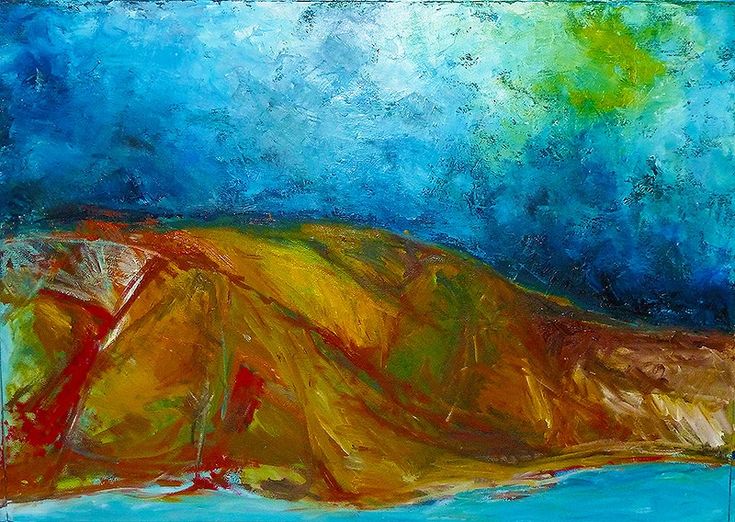
Following successive structural waves of empire—including the devastating Assyrian conquest of 732 BCE, followed by Babylonian dominance and Persian imperial rule—the region experienced a deep cultural renaissance during the Hellenistic era. This period gracefully merged indigenous Semitic agricultural communities with classical Greco-Roman urban planning, setting the foundations for majestic ridge cities like Hippos (Sussita).
By the Roman period, Jewish life had expanded dramatically across the elevated plateau. This thriving era met a tragic climax in 67 CE during the First Jewish Revolt against the Roman Empire. The mountain fortress city of Gamla became the ultimate symbol of regional resistance. Documented carefully by the historian Josephus Flavius, the citizens of Gamla withstood a brutal siege until their outer walls were breached, resulting in a collective sacrifice that has earned the site its modern title as the “Masada of the North”.

Following the destruction of the Second Temple, Jewish communal identity did not vanish from the north; instead, it adapted, evolved, and flourished. Between the 4th and 7th centuries, under Byzantine rule, the Golan Plateau became a vibrant heartland of Talmudic scholarship and agricultural prosperity. Over thirty villages thrived here, leaving behind an architectural legacy of beautifully carved basalt synagogues. However, this golden era came to an abrupt halt in 749 CE, when a catastrophic regional earthquake shattered the Levant, collapsing these stone structures and prompting centuries of gradual native abandonment.
During the early Islamic, Crusader, Mamluk, and Ottoman periods, the Golan reverted back to a sparsely populated frontier, navigated primarily by nomadic Bedouin tribes and mountain-dwelling Druze communities who established permanent strongholds in the high northern slopes. The 20th century transformed the plateau into one of the most strategically critical land masses in the Middle East. Following the collapse of the Ottoman Empire, the 1923 border delineations placed the plateau under the French Mandate over Syria, which eventually evolved into a heavily fortified Syrian military zone after the 1948 Arab-Israeli War.
For nineteen years, the western cliffs of the Golan were utilized as a commanding artillery platform trained directly on the civilian agricultural kibtzim in the Hula Valley below. This reality shifted fundamentally during the 1967 Six-Day War, when Israeli forces ascended the steep slopes, bringing the plateau under Israeli administration.
In October 1973, the region faced its ultimate modern crucible during the Yom Kippur War, where heavily outnumbered tank crews held the line against massive armored divisions in an epic clash now immortalized as the Valley of Tears. Today, the modern Golan stands as a peaceful yet vigilant landscape—a place where agricultural grids, world-class boutique vineyards, and ancient sanctuaries coexist.
🛡️ Shielding the Valley Below: The Crucial Capture to Protect Citizens
The fundamental reason Israel captured the Golan Heights in 1967 was rooted in an urgent, existential necessity to safeguard the civilian lives in the valleys below. Between 1948 and 1967, Syrian forces utilized the high, sheer ridges of the plateau as a heavily reinforced military launchpad. Concrete artillery bunkers directly lined the western cliffs, giving them an absolute topographical advantage over Israeli farming communities positioned in the Hula Valley and along the shores of the Sea of Galilee.
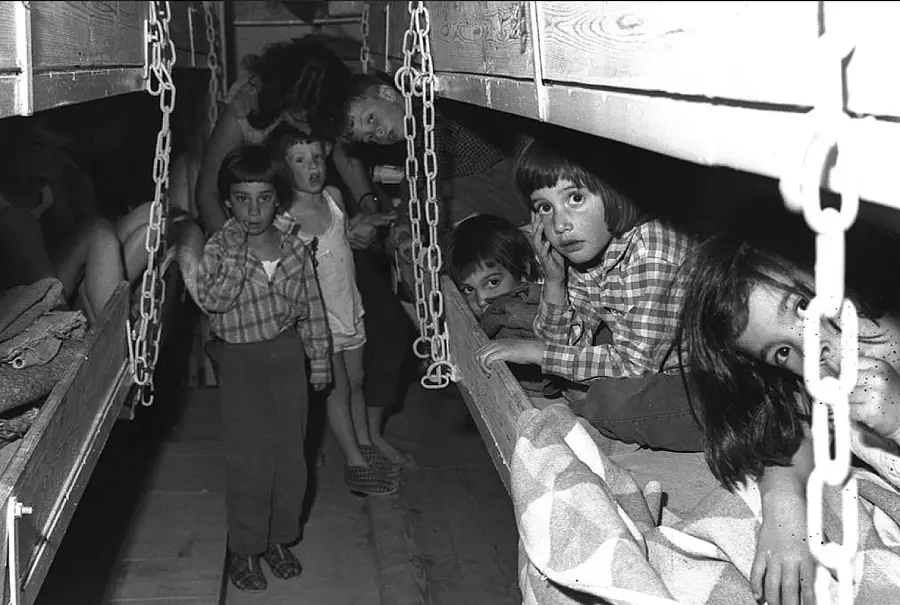
For nearly two decades, civilian families lived under the constant threat of unpredictable bombardment. Farmers plowing their fields and children sleeping in underground bomb shelters became a standard way of life. No community bore the brunt of this topographical vulnerability quite like Kibbutz Gadot. Located directly at the foot of the Golan’s western slopes near the historic Bnot Yaakov Bridge, this frontline collective community faced near-constant, merciless harassment from Syrian gunners entrenched on the high ridges above.
The situation reached a tragic climax in the months leading up to the Six-Day War. On April 7, 1967, a massive Syrian artillery barrage targeted the valley, raining thousands of shells down upon the exposed kibbutz. The community was practically decimated; nearly every single building, home, children’s house, and agricultural structure was systematically flattened or engulfed in flames.
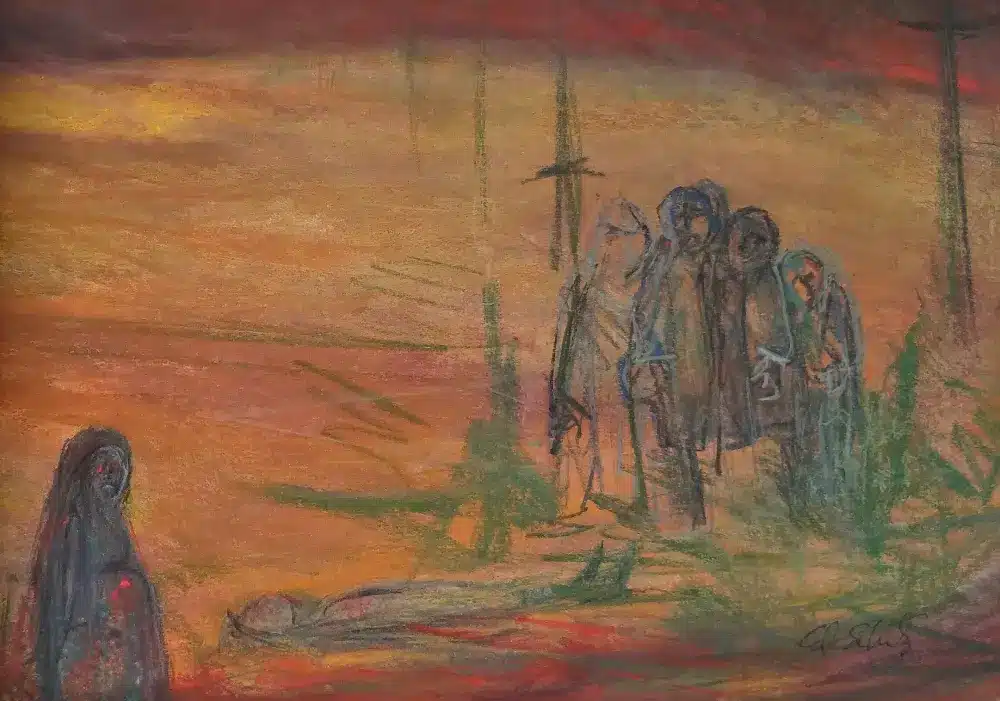
The physical destruction of Kibbutz Gadot stood as a stark, defining testament to the impossible reality of trying to live under the shadow of an aggressive, militarized plateau. When Israeli forces finally scaled the steep basalt walls during the final days of the 1967 Six-Day War, it was not merely an armored tactical achievement; it was an act of survival aimed at permanently silencing the guns that had terrorized the valley and shattered peaceful communities like Gadot.
🏛️ Museum-Quality Archaeological Showcases
1. Gamla: The Indomitable Ridge – “Masada of the Golan”
Perched on a sharp, camel-backed ridge that falls away into steep gorges, Gamla stands as an archaeological wonder and a poignant testament to ancient valor. Excavations have revealed a fully fortified city wall, a highly complex water network, and a massive collection of Roman ballista stones and arrowheads pointing to the intense battle of 67 CE.
At the center of the ruins sits the ancient Gamla Synagogue, widely recognized as one of the oldest surviving synagogues discovered anywhere in the world. Constructed entirely from native black basalt, its layout features internal colonnades and tiered stone seating designed while the Second Temple still stood in Jerusalem. Today, this historical sanctuary is double-enfolded by nature: the surrounding cliffs host the highest concentration of nesting endangered Griffon vultures in the region, their broad wings catching the thermal drafts directly above the ancient ruins.
Gamla earned its historic title as the “Masada of the Golan” (or “Masada of the North”) because its tragic and heroic fate directly mirrors that of the famous Judean desert fortress.
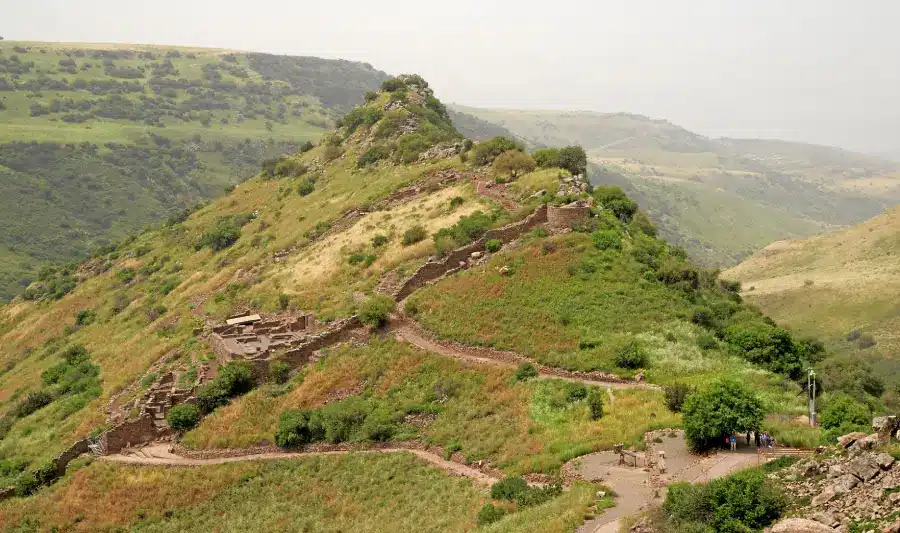
During the First Jewish Revolt against Rome in 67 CE, Gamla served as a primary stronghold of Jewish resistance. Perched on a steep, camel-backed mountain ridge that provided a formidable natural defense, its citizens withstood a brutal, months-long siege by multiple Roman legions.
When the city’s heavy basalt walls were finally breached, thousands of the remaining defenders chose a collective sacrifice over subjugation and brutal Roman captivity. Rather than surrendering, they threw themselves from the sharp, rocky cliffs into the deep ravines below. This act of unyielding national defiance and ultimate sacrifice completely evokes the exact historical spirit later immortalized at Masada, tying the two ancient strongholds together in Jewish history.
2. Rujm el-Hiri (Gilgal Refaim)
Rising from the flat, windswept high plains of the central plateau is Rujm el-Hiri, an ancient megalithic enigma dating back to 3000 BCE. Known in Arabic as the “Mound of the Wild Cat” and in Hebrew as Gilgal Refaim (“Wheel of the Giants”), this massive structure consists of more than 40,000 tons of loose basalt stones arranged in five concentric circles stretching 520 feet across. Archaeologists and astronomers continue to debate its true purpose.
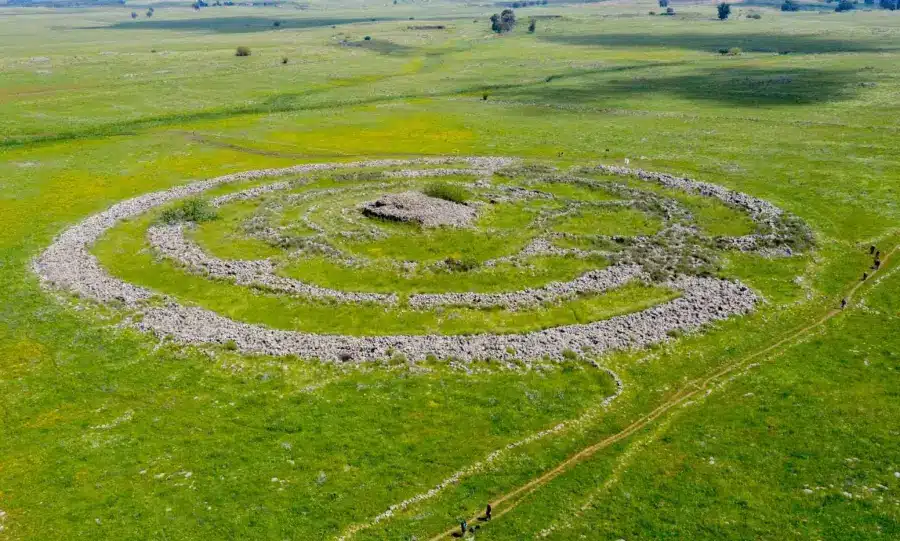
The alignment of the outer walls points precisely to the summer solstice sunrise, suggesting it served as an ancient astronomical calendar. At the exact center of the stone rings lies a massive burial chamber added centuries later during the Late Bronze Age. Rujm el-Hiri remains the Stonehenge of the Levant—a minimalist, geometric imprint on the landscape that bridges human ritual with the cosmos.
3. Ein Keshatot (Umm el-Kanatir)
Tucked into a sweeping valley overlooking the Sea of Galilee basin, Ein Keshatot (“Spring of the Arches”) represents the pinnacle of Byzantine-era Jewish masonry. The site is famed for its magnificent 6th-century synagogue, which collapsed completely during the great earthquake of 749 CE. In recent years, the site became the testing ground for world-class, revolutionary restoration technology.
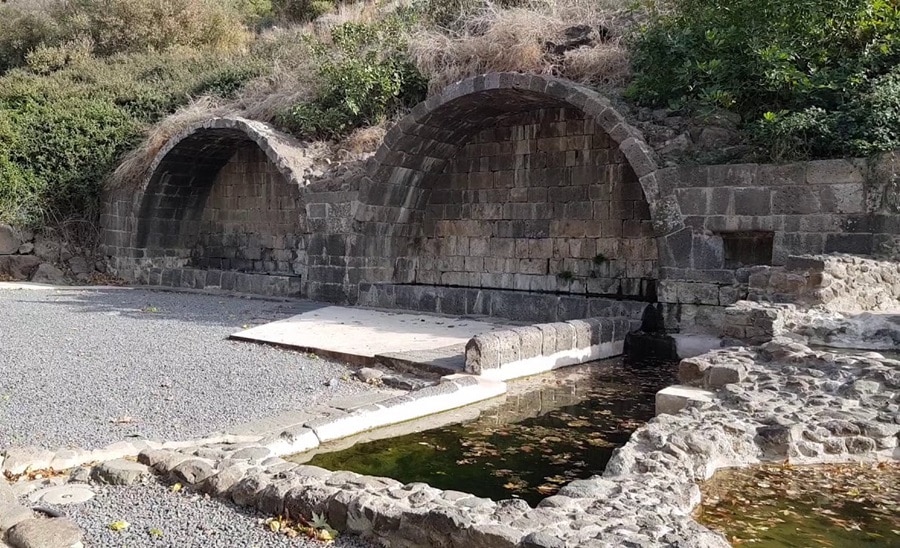
The Reconstructed Basalt Synagogue Ruins of Ein Keshatot
Using advanced 3D laser scanning and computerized RFID chips attached to every single fallen stone, archaeologists successfully reassembled the entire two-story basalt structure like a giant puzzle. Visitors can now step inside a fully restored ancient hall of worship, complete with its original, intricately carved Torah ark dais, flanked by a pristine spring sanctuary flowing through three beautifully preserved stone arches.
🌋 Geology, Volcanism, and Tectonic Identity
The raw physical power of the Golan Heights is directly derived from its dramatic geological history. The entire region is an elevated volcanic plateau that rises sharply from 200 meters below sea level at the Sea of Galilee to over 1,200 meters in the northern peaks. This land mass was forged during the Miocene and Pleistocene epochs by successive, heavy fissure eruptions that poured sheets of liquid basalt lava across older limestone foundations.
- The Basalt Identity: The distinct black and charcoal coloring of the Golan’s rocks is due to their high concentration of iron and magnesium, minerals native to deep-mantle basalt flows. Over millennia, this porous rock has weathered into rich, dark, mineral-dense soils that are exceptionally fertile.
- Volcanic Formations: The landscape is punctuated by a chain of dormant cinder cones and extinct volcanoes, such as Mount Bental and Mount Avital. These craters are flanked by unique subterranean features, including ancient lava tubes and deep fissures.
- The Rift System Dynamics: The sharp western drop-off of the Golan is a direct result of its position along the Dead Sea Transform, a segment of the Great Rift Valley system. As tectonic plates pull apart, the Jordan Rift Valley drops down, causing watercourses to cut deep, vertical canyons into the hard basalt crust, creating spectacular geometric column networks like the Hexagon Pool.
🦅 The Ecological Diversity of the Plateau
Because it spans multiple elevation zones, the Golan Heights serves as a vital ecological bridge between Mediterranean and alpine microclimates.
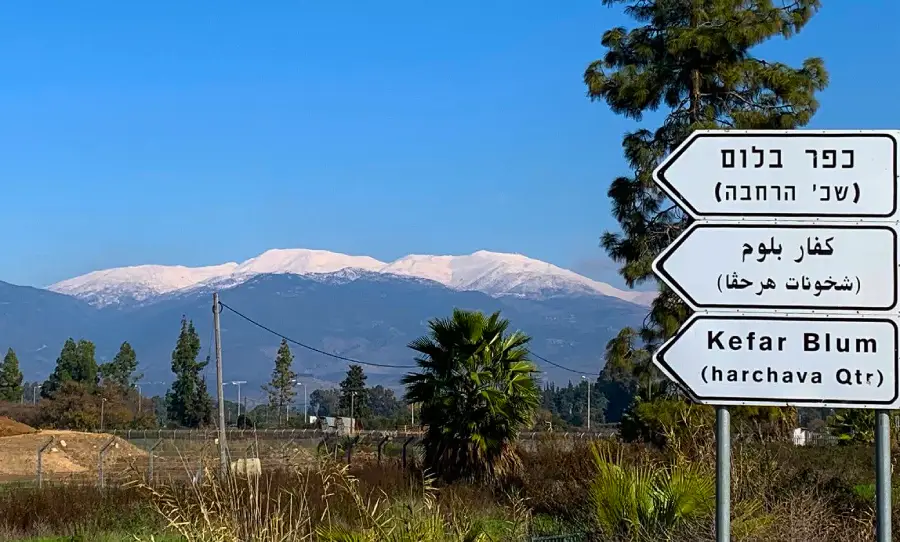
- Mount Hermon Ecology: At the northern apex sits Mount Hermon, Israel’s highest peak. Its snow-melt runoff acts as the primary life force for the entire region’s watershed. The mountain features distinct alpine botany, hosting rare orchids and low-lying cushion plants adapted to freezing winter temperatures and intense summer UV light.
- Woodlands and High Plains: The central and southern plains feature open Mount Tabor oak forests and wild pistachio woodlands. These protected corridors provide a crucial sanctuary for large mammals that have vanished from the rest of the country, including thriving populations of mountain gazelles, wild boars, grey wolves, golden jackals, and red foxes.
- Raptors and Wetlands: The deep, inaccessible basalt canyons provide ideal nesting platforms for majestic birds of prey. Alongside the Griffon vultures, soaring golden eagles, Egyptian vultures, and short-toed snake eagles populate the skies. Hidden deep within these gorges, permanent freshwater streams and seasonal wetlands support rare amphibians and dense thickets of wild oleander.
🍇 Agriculture and Volcanic Terroir
The transformation of the Golan from a rocky, unyielding frontier into an agricultural powerhouse is one of its greatest modern chapters. The secret lies in the region’s volcanic terroir—a prized combination of deep, mineral-rich basalt soils, high altitudes, and crisp, cool-climate night air.
- Viticulture Mastery: The Golan Heights is widely celebrated as Israel’s premier cool-climate wine destination. Vineyards planted at varying elevations produce internationally acclaimed Cabernet Sauvignon, Merlot, and Chardonnay vintages, characterized by a distinct mineral complexity driven by the volcanic earth.
- Highland Orchards: The northern reaches are blanketed by expansive apple, cherry, and pear orchards that thrive under the winter chill and snow.
- Pioneering Crops: In recent decades, the plateau has embraced boutique agriculture, including expansive olive groves producing robust oils, organic lavender farms that paint the summer fields in purple, and open-range cattle farming on the high rangelands.
🌤️ Shifting Seasons through an Artistic Lens
Moving into the early Islamic period, Arab geographers coined the phonetic counterpart Jabal al-Jawlan, recognizing its commanding mountainous topography. Today, the region’s climate patterns shift dramatically through four distinct seasons, creating completely unique canvases for the observer:
- Winter Restorations: Cold temperatures ranging between 2°C and 12°C bring heavy seasonal rainfall that rejuvenates parched streams, occasionally blanketing the central plateau villages in a pristine layer of winter snow.
- Spring Botanical Super-blooms: As the highland air warms to crisp 10°C–20°C averages, the volcanic valleys erupt into an expressive palette of wild scarlet poppies, tulips, and rare irises.
- The Arid Summer Transition: Summer brings dry, low-humidity heat waves. While temperatures can exceed 30°C in the lower slopes, the high-altitude fields dry into a striking minimalist arrangement of shimmering golden grasses and dark basalt outcroppings.
🎨 Behind the Palette: Mediums & Volcanic Textures
Translating the coarse, porous topography of the Golan onto canvas requires tactile experimentation. To emulate the heavy volcanic basalt rock, pieces in this portfolio employ heavy impasto oil applications and gritty, layered soft pastels that give the surface a physical, structural dimension. This technical approach also captures the extreme atmospheric shifts of the plateau—juxtaposing the soft, fleeting “golden hour” light bouncing off parched summer grasses against the sharp, unforgiving contrast of an oncoming highland winter storm.
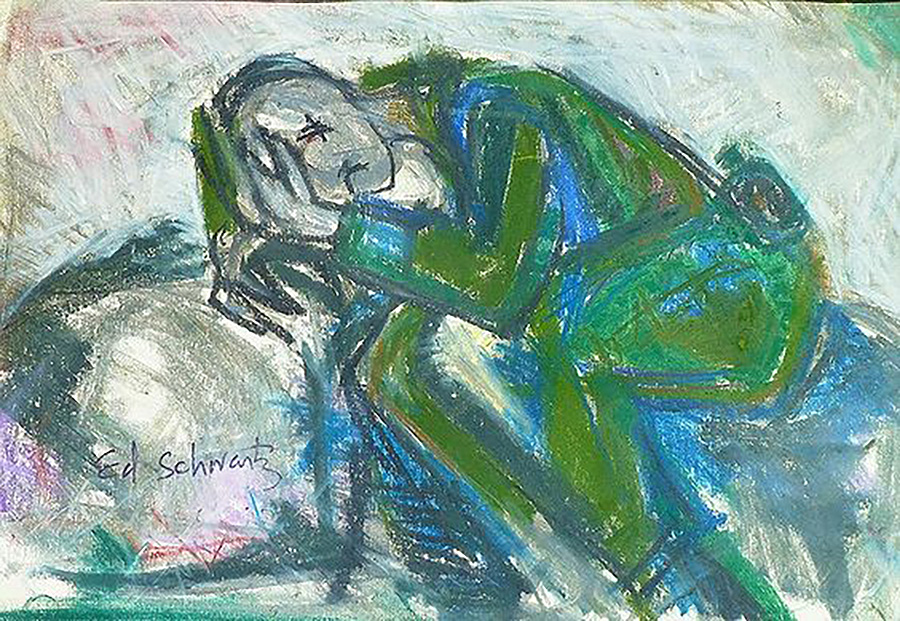
There Is No End – An Exhausted Soldier In The Golan — Pastel Work by Ednah Schwartz
🛡️ The Valley of Tears: Echoes of Modern Resilience
No study of the Golan’s landscape is complete without confronting the historical weight of the Valley of Tears (Emek HaBacha). Situated in the low valley between Mount Hermonit and Mount Avital, this quiet stretch of agricultural grid was the site of one of the most critical defensive battles in modern history during the 1973 Yom Kippur War. Over the course of four days, a severely outnumbered Israeli armored brigade held off a massive offensive consisting of hundreds of Syrian tanks. The valley earned its sobering name from the sheer scale of the devastation and the immense human sacrifice required to turn back the assault.
Works like There Is No End confront the complex duality of this frontier. The visual dialogue shifts away from pure environmental observation to explore the human and historical price of maintaining secure borders. By setting the quiet, heavy exhaustion of a resting soldier against the timeless, sweeping basalt soil, the artwork captures a deep narrative of resilience, vulnerability, and the enduring connection between the defenders of a nation and the land beneath them. Today, artists continue painting this valley because its quiet apple orchards and spinning wind turbines represent a beautiful, hard-won sanctuary slowly growing over metallic scars.
🏡 The Druze Culture & Deep-Knit Alliances of the High Peaks
The cultural fabric of the northern Golan is beautifully shaped by its traditional mountain Druze communities. Living in high-elevation villages like Majdal Shams, Bu’qata, Mas’ade, and Ein Qiniye, the Druze are an ancient Arabic-speaking ethno-religious group with a deeply guarded, rich spiritual heritage. Over the decades, a remarkably close-knit bond and deep social alliance has flourished between the Druze community and Israeli society, characterized by mutual respect, shared regional defense interests, and integrated daily life.
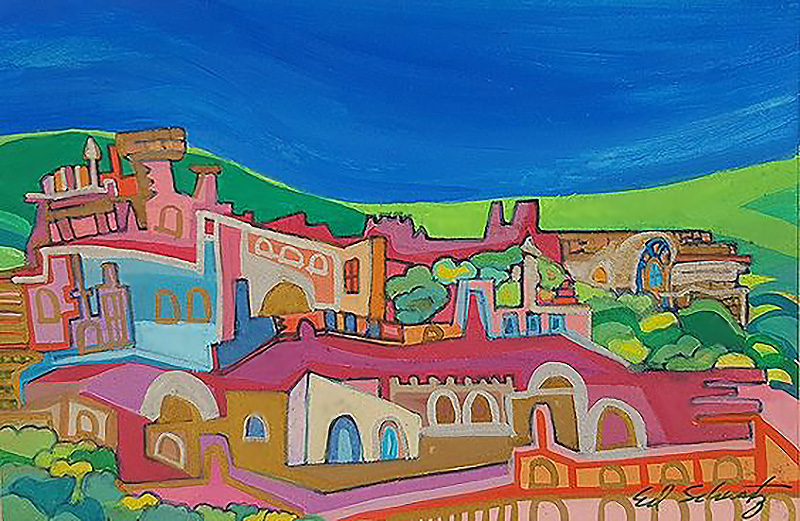
- Architectural Heritage: Traditional Druze villages feature striking architecture constructed from local dark basalt stone, with homes built tightly along winding, vertical mountain roads.
- Stewardship of the Land: The Druze are master mountain farmers. For generations, they have hand-carved stone agricultural terraces directly into the steep slopes surrounding Mount Hermon, cultivating vast orchards of apples and cherries using traditional techniques.
- A Close-Knit Fellowship: The relationship between Israelis and Druze goes far deeper than typical citizenship; it is defined by a deep fraternal connection. This tight-knit integration is visible through economic partnerships, cooperative regional agricultural initiatives, and a shared commitment to developing the peaceful prosperity of the highland frontier.
- Cultural Hospitality: Druze culture is renowned for its profound traditions of hospitality. Their presence adds a deeply authentic, human element to the plateau—visible in bustling village markets filled with local olive oil, wild honey, and freshly baked mountain flatbreads enjoyed by locals and visitors alike.
🥾 Travel, Tourism, and Active Exploration
The Golan Heights has transformed into an unparalleled playground for outdoor enthusiasts, eco-tourists, and creative minds alike.
- The Golan Trail: Hikers flock to the region to trek the Golan Trail, a 125-kilometer route that traverses the entire length of the plateau, cutting through deep gorges, prehistoric fields, and panoramic ridges.
- Water Trails and Waterfalls: During the spring and summer, routes like the Zavitan Stream, Nahal Yehudiya, and the hidden black basalt pools become a haven for canyoning and freshwater swimming.
- Winter Sports & Alpine Tourism: As winter blankets the north, Mount Hermon transforms into a vibrant ski resort, drawing thousands to experience snow sports in the Middle East.
- Photography and Fine Art Tourism: The extreme atmospheric changes, migrating birds, and stark volcanic contours draw photographers and en plein air painters from around the world, all seeking to capture the unique, fleeting light of the northern frontier.
🎨 Fine Art Musings: Why Artists Paint the Frontier
To create fine art within the Golan Heights is to engage with a landscape defined by raw honesty. Unlike the soft, rolling dunes of the southern deserts or the crowded urban coastal plains, the Golan offers a stark, structural minimalism. The heavy presence of black basalt stone forces an artist to confront deep tonal values and sharp geometric lines directly on the canvas. It is an uncompromising environment that demands a visceral, physical response from the brush or pastel stick.
The light of the Golan Heights changes dramatically through the seasons, creating an endless playground for expressionist exploration. In the dry summer, the high-altitude sun bleaches the open fields into an endless sea of shimmering monochromatic gold, creating a stunning contrast against the dark, moody outcroppings of volcanic rock.
When winter storms roll off Mount Hermon, the sky drops into heavy charcoals and deep purples, completely shifting the emotional tone of the land. Capturing this frontier means capturing a landscape that is simultaneously vulnerable and indestructible—a place where a solitary tree standing against a sweeping basalt field serves as a perfect visual metaphor for deep roots, endurance, and quiet strength.
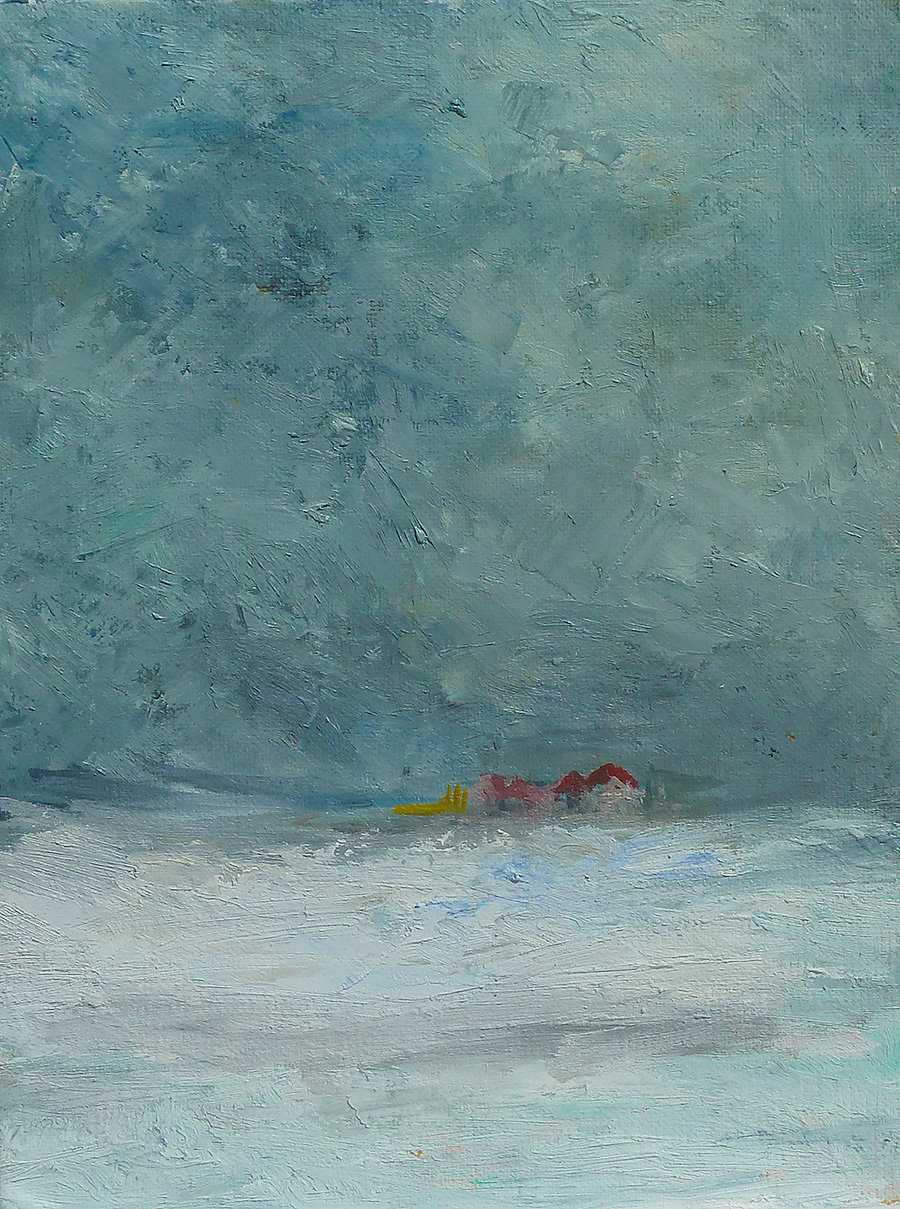
The Golan Heights In Winter — Vertical Canvas Work by Ednah Schwartz
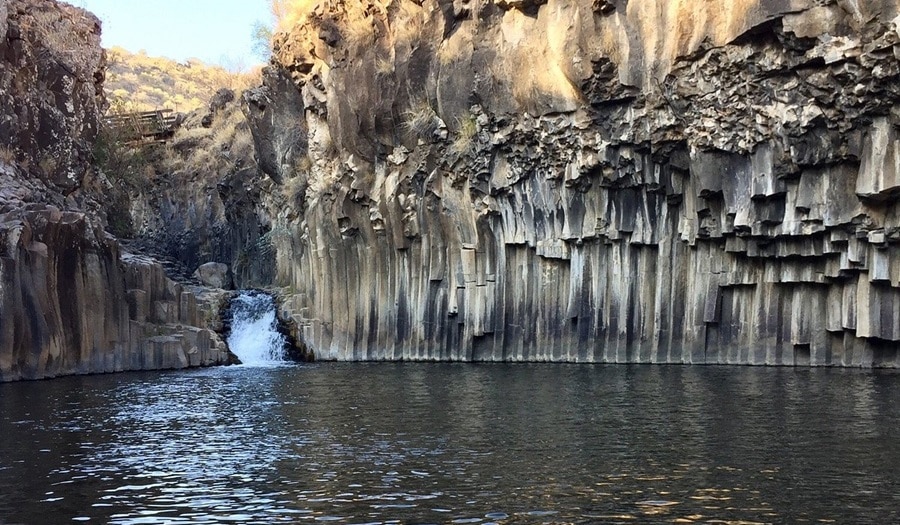
The Basalt Formations of the Zavitan Stream Corridor
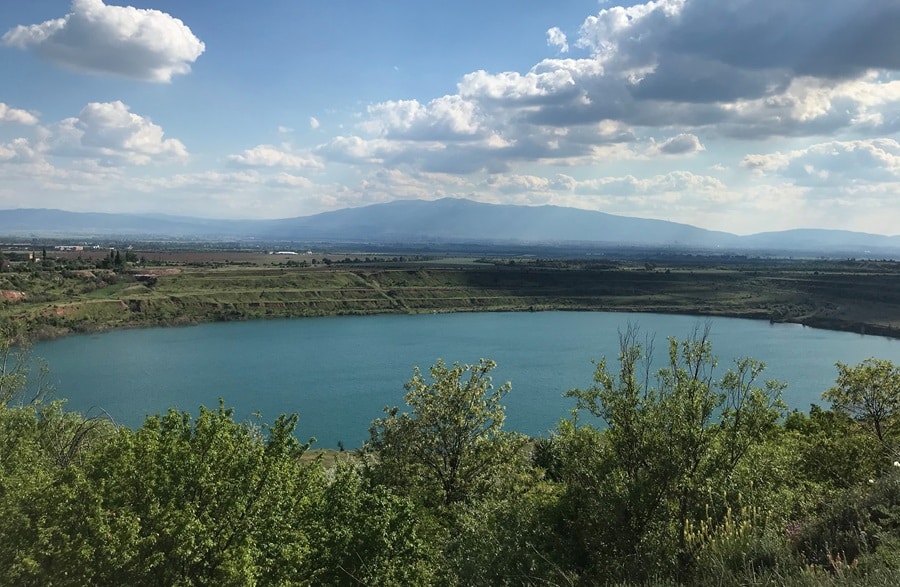
The Serene, Circular Waters of Lake Ram
With its striking geological features, agricultural vineyards, and thousands of years of layered history, the Golan Heights serves as a powerful inspiration for collectors and landscape enthusiasts worldwide.
🏡 Framing & Decor: Displaying the Textures of the Golan
The bold, grounding color values of the Golan Heights series—defined by monochromatic desert golds, heavy charcoal blacks, and brilliant seasonal pops of poppy red—make an excellent addition to executive workspaces, boardrooms, and modern minimalist interiors. These compositions anchor a room, bringing an immediate sense of enduring strength, deep roots, and raw natural history into residential or institutional collections.
❓ Frequently Asked Questions About the Golan Heights
Why is the Golan Heights strategically important?
The Golan Heights forms a natural, commanding volcanic plateau that directly overlooks the Jordan Rift Valley, the Hula Valley, and the Sea of Galilee basin. This elevated geography provides an invaluable early-warning defense outpost and crucial security oversight over vital freshwater sources that flow directly into Israel’s core water systems.
Why is the soil black?
The dark charcoal and black coloration of the soil is due to its ancient volcanic origins. The plateau was entirely formed by ancient basaltic lava flows which are heavily concentrated with iron and magnesium. Over thousands of years, this basalt rock weathered down into highly fertile, mineral-dense agricultural earth.
Why are there volcanoes there?
The chain of prominent peaks across the eastern rim—including Mount Bental and Mount Avital—are extinct cinder cones. The region sits near the Dead Sea Transform (Great Rift Valley system), where ancient crustal tectonic shifts allowed liquid magma to erupt via deep fissures during the Miocene and Pleistocene epochs, shaping the plateau.
Is Mount Hermon part of the Golan?
Geographically and environmentally, they are deeply intertwined as Israel’s northern alpine frontier. However, geologically they are distinct: while the Golan Heights is a volcanic basalt plateau, Mount Hermon is a massive, uplifted anticline composed predominantly of Jurassic limestone and sedimentary rock.
Why are wineries so successful?
The territory offers an optimal combination of cool highland climates, altitudes peaking over 1,200 meters, and exceptional deep-draining, mineral-rich volcanic soils. These precise conditions mirror world-class cool-climate wine zones, allowing wine grapes to mature slowly and develop complex characters.
What wildlife lives there?
The open oak woodlands and savannas act as protected corridors for thriving populations of mountain gazelles, wild boars, grey wolves, golden jackals, and red foxes. It is also a vital sanctuary for critical raptor populations, including soaring golden eagles and endangered Griffon vultures.
Why is Gamla called the Masada of the North?
During the Great Jewish Revolt against Rome in 67 CE, the fortified ridge city of Gamla withstood a brutal siege by Roman legions. When the defensive walls were finally breached, the citizens engaged in a collective sacrifice over Roman captivity, mirroring the haunting narrative of resilience later seen at Masada.
What is Rujm el-Hiri?
Rujm el-Hiri is a monumental prehistoric enigma dating to 3000 BCE. This megalithic structure consists of over 40,000 tons of loose basalt stones arranged in five massive concentric circles stretching 520 feet across. Its precise alignment to the summer solstice sunrise suggests it served as an ancient astronomical calendar and sanctuary.
Why do artists paint the Golan?
The region forces a striking contrast in elements and colors. Artists are deeply drawn to the raw, structural minimalism of balancing heavy, dark volcanic basalt rock against sudden bursts of seasonal life—such as intense scarlet spring poppies or the shimmering monochromatic gold of dry summer fields.
What is unique about Golan light?
Due to its high elevation and crisp, low-humidity mountain air, the plateau experiences exceptional light clarity. This highlights extreme atmospheric shifts—juxtaposing a soft, fleeting “golden hour” reflection on summer fields against the sharp, unforgiving contrast of an oncoming highland winter storm.
What archaeological discoveries have been made?
Excavations have unearthed a vast historical canvas: from Bronze Age megalithic circles (Rujm el-Hiri) and Roman-era strongholds (Gamla) to over thirty ancient Byzantine-era Jewish villages built from local basalt stone, featuring intricately carved synagogues like Ein Keshatot and Katzrin.
When do wildflowers bloom?
The volcanic valleys erupt into life during the spring months, specifically between late February and May. As the highland temperatures warm, the green hillsides become painted with intense bursts of wild scarlet poppies, tulips, and the rare, deep purple Golan Iris.
What is the Valley of Tears?
The Valley of Tears is a sacred historical landscape situated in the low plains below Mount Bental. It was the site of a legendary armored battle during the 1973 Yom Kippur War, where heavily outnumbered Israeli tank crews heroically defended the nation’s northern frontier against a massive armored assault. For fine artists and visitors, this valley represents a profound narrative that goes far beyond military history; it stands as a visual testament to resilience, healing, and the deeply rooted sacrifice required to safeguard the frontier, beautifully contrasting the serene beauty of agricultural grids against a poignant history of national defense.
How did the Golan influence Ednah’s work?
The physical weight and coarse textures of the plateau forced a distinct shift in medium and technique. To capture the porous nature of the basalt rock and the sweeping movement of the fields, pieces in this series rely heavily on physical, layered impasto oil paint and gritty, textured soft pastels.
Who are the Druze, and what is their historical presence on the plateau?
The Druze are an Arabic-speaking, esoteric ethno-religious community whose roots in the Near East date back to the 11th century. Combining elements of monotheism, philosophy, and ancient spiritual traditions, they maintain a highly distinct culture known worldwide for its extraordinary warmth and hospitality. For centuries, the Druze have cultivated the rugged slopes of the northern Golan Heights, building thriving mountain towns such as Majdal Shams, Buq’ata, Mas’ade, and Ein Qiniyya. Their hand-hewn basalt architecture, deep-seated ancestral traditions, and close fraternal alliance with Israeli society remain core pillars of the Golan’s living cultural identity.
Are Ednah’s Golan Heights paintings created on-site (en plein air) or in the studio?
Many pieces begin with field sketches, emotional impressions, and photographic studies gathered directly while exploring the rugged trails and historical sites of the Golan. These raw experiences are then brought back to the studio, where they are built into layered, expressive oil and pastel compositions that capture the true spirit of the plateau.
What is the significance of the solitary trees often featured in Golan Heights art?
In works like “The Waiting Tree,” a solitary oak or terebinth standing against the sweeping basalt plains serves as a powerful visual metaphor. It symbolizes resilience, endurance, and deep roots—tending to mirror the spirit of the people and communities that have inhabited this frontier terrain throughout history.
What role do seasonal streams like the Zavitan play in the local ecosystem?
Fed by winter rains and melting alpine snow runoff from Mount Hermon, streams like the Zavitan cut deep channels directly into the hard basalt plains. They supply vital freshwater down into the Sea of Galilee basin and carve out permanent deep rock pools that sustain diverse wildlife throughout the intensely dry summer months.
How can collectors acquire fine art pieces from the Golan Heights collection?
Select original multi-layered oil paintings and textured pastels from this portfolio are available for private acquisition. Museum-quality archival giclée reproductions can also be custom-ordered through individual gallery sections or by messaging the studio directly via the website contact form.